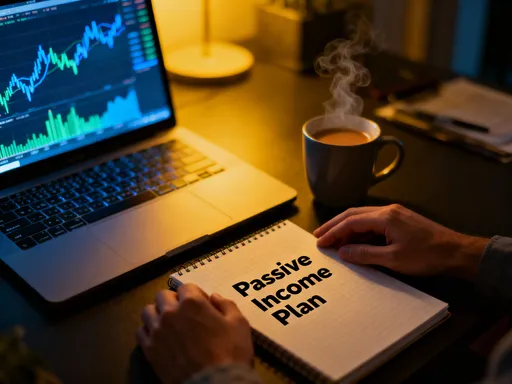
How I Built Passive Income Streams Without Quitting My Day Job
What if you could earn money while sleeping, traveling, or spending time with family? I used to think passive income was only for the rich or tech gurus—until I started small and actually made it work. This isn’t about get-rich-quick schemes; it’s real financial planning that builds over time. I’ll walk you through how regular people, including myself, can create income streams that don’t require daily effort. Let’s explore what actually works—and what to avoid.
The Myth of "Set It and Forget It" Income
Many people are drawn to the idea of passive income because it promises freedom: freedom from clocking in, from micromanaging tasks, from trading hours for dollars. The dream is understandable—earn money while you rest, travel, or care for loved ones. But too often, this dream is built on a flawed assumption: that once you set up a passive income stream, it runs perfectly on its own, forever. In reality, the term "passive" can be misleading. True passive income rarely means zero effort. Instead, it means reduced effort over time—after significant upfront work.
Consider the example of dividend investing. On the surface, it seems simple: buy shares in stable companies, collect quarterly payouts, and reinvest over time. But before that first dividend arrives, an investor must research sectors, analyze financial statements, and select stocks or funds aligned with long-term growth. That’s active work—sometimes weeks or months of learning and decision-making. Even after investing, occasional monitoring is necessary to ensure companies remain financially healthy. The same applies to real estate rentals. Yes, tenants pay rent monthly, but only after you’ve saved for a down payment, secured financing, maintained the property, and possibly hired a management company. Ignoring these realities leads to frustration when returns don’t appear overnight.
Another common misconception is that passive income replaces full-time income quickly. In truth, most successful streams grow gradually. A digital course may take months to create and another few months to generate steady sales. A peer-to-peer lending portfolio requires time to build and diversify. Expecting immediate results often leads to abandoning the effort prematurely. Instead, adjusting expectations—understanding that passive income is a long-term strategy—leads to greater resilience. The real value isn’t in avoiding work altogether, but in shifting from constant labor to structured, scalable systems that deliver returns over years.
Moreover, maintenance matters. Technology changes, market conditions shift, and consumer preferences evolve. A blog that once attracted thousands of visitors may decline if content isn’t updated. An automated investment app may require periodic rebalancing to stay aligned with goals. The most sustainable passive income strategies aren’t those that demand nothing—they’re the ones designed with oversight built in. This means scheduling regular reviews, staying informed about trends, and being ready to adapt. By accepting that effort is front-loaded and maintenance is occasional, individuals can avoid burnout and build income streams that last.
Choosing the Right Income Streams for Your Lifestyle
Not every passive income method suits every person. The key to long-term success lies in matching your financial goals, available resources, and daily routine with the right strategy. Some people thrive on hands-on projects, while others prefer a more hands-off approach. The goal isn’t to copy what others are doing, but to find what fits your life. For instance, someone with a stable job and a modest savings buffer might find dividend investing through index funds more manageable than diving into real estate. Another person with creative skills might prefer building digital products like eBooks or printables that sell repeatedly with minimal upkeep.
Dividend investing is one of the most accessible entry points. By purchasing shares in established companies or low-cost index funds, investors earn regular payouts without managing day-to-day operations. These dividends can be reinvested to buy more shares, accelerating growth through compounding. The advantage here is simplicity and scalability. You don’t need to fix leaky faucets or deal with tenant complaints. However, it does require patience. Markets fluctuate, and dividends aren’t guaranteed. Still, over decades, reinvested dividends have historically contributed significantly to total returns in stock market investing.
Real estate offers another path, with the benefit of tangible assets and potential appreciation. Rental properties can generate monthly cash flow, especially in high-demand areas. But this option often requires more capital, time, and emotional bandwidth. Property taxes, repairs, tenant screening, and local regulations all add complexity. For someone already stretched thin by work and family, hiring a property manager may be necessary—but that cuts into profits. Therefore, real estate works best for those who either enjoy the process or have the means to delegate responsibilities.
Peer-to-peer lending is a middle ground. Platforms allow individuals to lend money to borrowers in exchange for interest payments. Returns can be higher than traditional savings accounts, and diversification across multiple loans reduces risk. Still, defaults happen, and the market isn’t as liquid as stocks. Digital products, on the other hand, offer high scalability. Once an eBook, template, or online course is created, it can be sold repeatedly with little additional effort. The challenge lies in marketing and standing out in crowded markets. Success often depends on identifying a niche need and delivering real value.
The right choice depends on personal priorities. Ask: How much time can I commit upfront? How comfortable am I with market risk? Do I prefer predictable returns or higher potential growth? Answering these honestly helps narrow the options. There’s no single "best" method—only the best fit for your situation. Aligning your income strategy with your lifestyle increases the likelihood of sticking with it, even when progress feels slow.
Starting Small: Low-Cost Entry Points That Actually Work
One of the biggest barriers to starting passive income is the belief that you need a large sum of money. In reality, many effective strategies begin with as little as $50 or $100. The key isn’t the size of the initial investment, but the consistency of adding to it. Micro-investing apps, for example, allow users to invest spare change from daily purchases into diversified portfolios. These small amounts accumulate over time, especially when combined with automatic contributions. I started with just $25 a month in a low-cost index fund, and within two years, that consistent habit had grown into a meaningful balance.
Another low-cost entry point is creating digital content. Writing a short eBook on a topic you know well—like meal planning for busy families or organizing home finances—can be done in your free time. Once published on established platforms, it can generate sales for years. Similarly, designing printable calendars, budget trackers, or homeschooling worksheets requires minimal investment but can appeal to a wide audience. The upfront effort is real, but once the product is live, sales happen automatically. I created a simple budget planner during a weekend, listed it online, and now it earns a small but steady income each month with no additional work.
Dividend reinvestment plans (DRIPs) are another powerful tool for small investors. Many companies and brokerages allow shareholders to automatically reinvest dividends to buy more shares, often without fees. This turns passive income into a compounding engine. Even if your initial holdings are small, reinvesting dividends increases your stake over time, leading to larger future payouts. For example, owning 10 shares of a $50 stock paying a 3% dividend yields $1.50 per quarter. Reinvest that, and over time, your share count grows—slowly at first, then faster as compounding takes effect.
The real advantage of starting small is sustainability. When you don’t stretch your budget, you avoid financial stress. You also reduce the emotional pressure to "see results fast." Instead, you focus on building habits—automating contributions, learning as you go, and adjusting based on experience. Over time, these small actions compound into something significant. The goal isn’t to get rich quickly, but to create a system that grows steadily alongside your life. By beginning with what you can afford, you lay a foundation that can expand as your financial situation improves.
Risk Control: Protecting Your Gains Without Overcomplicating
No investment is completely safe, but smart planning can significantly reduce risk. The first line of defense is diversification—spreading your money across different assets so that a loss in one area doesn’t wipe out your entire portfolio. For example, instead of putting all your savings into a single stock, you might invest in a mix of index funds, bonds, and real estate. This way, if the stock market dips, other assets may hold steady or even rise. Diversification doesn’t guarantee profits, but it reduces the impact of volatility.
Another essential step is maintaining an emergency fund. Before investing in any income stream, ensure you have three to six months of living expenses saved in a liquid account. This buffer protects you from needing to sell investments at a loss during unexpected events like job loss or medical bills. I learned this the hard way when I once dipped into my investment account during a car repair emergency. Without a separate emergency fund, I sold shares at a market low, locking in a loss. Now, I keep that fund strictly separate, allowing my investments to grow undisturbed.
Emotional discipline is just as important as financial strategy. Market swings are normal, but reacting impulsively—selling during a downturn or chasing "hot" trends—can undermine long-term success. Instead, focus on your original goals and time horizon. If you’re investing for retirement 20 years away, short-term fluctuations matter less. Automated tools can help here. Many brokerages offer automatic rebalancing, which adjusts your portfolio back to your target allocation periodically. This removes the temptation to make emotional decisions and keeps your strategy on track.
Stop-loss orders are another useful feature. They automatically sell a stock if it drops below a certain price, limiting potential losses. While not suitable for every investment, they can protect against sudden downturns in individual holdings. The goal isn’t to eliminate all risk—that’s impossible—but to manage it wisely. By combining diversification, emergency savings, and disciplined decision-making, you create a safety net that allows your passive income streams to grow steadily, even in uncertain times.
Automating for Consistency: The Real Secret Behind Passive Growth
Automation is the engine that makes passive income truly "passive." Without it, even the best strategy can fail due to inconsistency. Life gets busy—work deadlines, family needs, unexpected events—and when investing relies on remembering to act, it often gets delayed or forgotten. But when contributions, reinvestments, and tracking happen automatically, progress continues whether you’re focused on it or not.
I set up automatic transfers from my checking account to my investment accounts every payday. Even if it’s a small amount, the consistency ensures I’m always adding to my portfolio. My brokerage also offers auto-invest features that buy shares on a set schedule, taking advantage of dollar-cost averaging—buying more shares when prices are low, fewer when they’re high. This removes timing the market, which even professionals struggle with.
For digital product sales, I use platforms that handle payment processing, delivery, and customer support automatically. Once a customer buys a printable or eBook, they receive instant access without any action from me. I’ve also scheduled social media posts to promote these products regularly, maintaining visibility without daily effort. These systems run in the background, generating income while I focus on other priorities.
Automation extends beyond investing. I use budgeting apps that categorize expenses and alert me if I’m overspending. This helps free up more money to invest. I also automate bill payments to avoid late fees and protect my credit score. The result is a financial ecosystem where money flows efficiently—earning, saving, and growing with minimal daily input. The real secret isn’t finding a magic investment; it’s building systems that work for you, even when you’re not actively managing them.
Tracking Progress Without Obsessing Over Numbers
Monitoring your passive income is important, but doing it too often can lead to stress and poor decisions. Checking your portfolio daily might show small fluctuations that have no real impact on long-term goals. Instead, a balanced approach works better: scheduled check-ins, such as monthly or quarterly reviews, to assess performance without reacting to noise.
During these reviews, focus on meaningful metrics. Cash flow—the actual income generated—is more important than short-term price swings. If your dividend payouts are steady or increasing, that’s a sign of health. Expense ratios matter too; lower fees mean more of your money stays invested. Track whether your portfolio is aligned with your risk tolerance and goals. If not, make small adjustments rather than drastic changes.
Avoid getting caught up in daily market headlines or comparing your progress to others. Everyone’s financial journey is different. What matters is consistency, not speed. I review my accounts every quarter, update my budget, and adjust contributions if needed. This routine keeps me informed without consuming my time or energy.
This mindset shift—from constant monitoring to intentional oversight—helps maintain focus on the bigger picture. Passive income isn’t about chasing quick wins; it’s about building stability over time. By stepping back and trusting the process, you reduce anxiety and increase the chances of long-term success.
Building a Sustainable Financial Future: Beyond One-Off Wins
Lasting financial freedom doesn’t come from a single investment or lucky break. It comes from systems—consistent habits, disciplined planning, and a long-term perspective. Passive income is not a shortcut; it’s a component of a broader financial strategy that includes budgeting, saving, reducing debt, and setting clear goals. When integrated into daily life, these practices compound into real security.
My own journey started with small steps: saving a little each month, learning about investing, and experimenting with low-risk digital products. There were setbacks—markets dipped, a product didn’t sell, I made a few missteps. But each experience taught me something. I adjusted, kept going, and gradually built momentum. Over time, those small efforts added up. Today, my passive income covers a meaningful portion of my monthly expenses, giving me more flexibility and peace of mind.
The real reward isn’t just financial. It’s the confidence that comes from knowing you’re building something that works for you, even when you’re not actively working. It’s the freedom to spend time with family, pursue hobbies, or take a break when needed. Passive income, done right, isn’t about escaping work—it’s about creating a life where money supports your values, not the other way around.
As you begin or grow your own passive income journey, remember: patience is essential. Success isn’t measured in days or months, but in years. Stay focused on what you can control—your savings rate, your choices, your consistency. Avoid get-rich-quick thinking, protect your gains with smart risk management, and let time do the heavy lifting. With the right mindset and systems, anyone can build income streams that last—and live a more intentional, secure life as a result.