After Tracking 100 Commutes: This App Turned My Travel Time into Me-Time
We’ve all been there—stuck in traffic, swiping mindlessly through social media, or just staring out the window, wishing we could *do something* meaningful. I felt the same—until I started tracking my commute like I track my coffee runs and workouts. What I discovered surprised me: those lost minutes weren’t lost at all. With the right tools, my daily journey became quiet time to learn, relax, and even grow. This is how one simple change made my busiest days feel lighter.
The Commute That Changed Everything
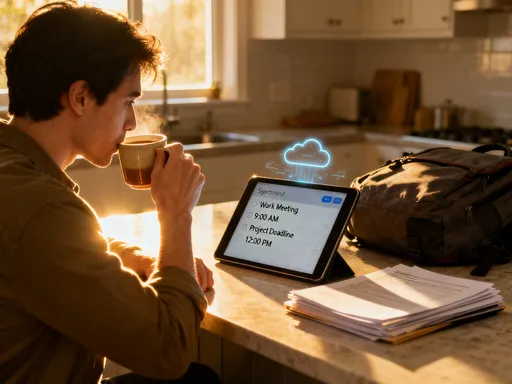
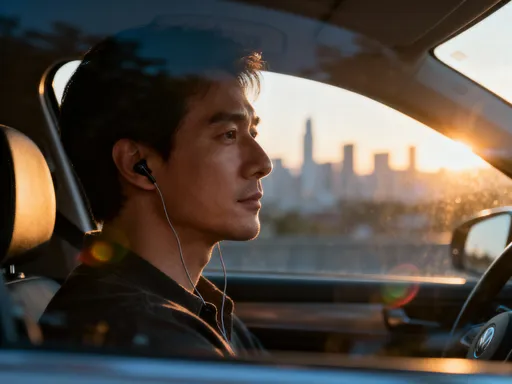
For nearly three years, I drove the same route—45 minutes each way, five days a week. Rain or shine, I’d leave the house with my travel mug, a knot in my stomach, and the mental checklist already spinning. By the time I reached my office, I felt like I’d already worked half a day. The drive wasn’t just tiring; it was emotionally heavy. I’d arrive drained, snapping at coworkers over tiny things, or zoning out during meetings. And the worst part? I didn’t even realize how much of my energy was leaking away until I started paying attention.
It started as a small experiment. I decided to treat my commute like any other habit I’d want to improve—like drinking more water or walking daily. So I began tracking it. Not just the time, but how I felt, what I did, and how I arrived. I used a simple note in my phone at first: 'Drove to work. Listened to news. Felt tense. Arrived late.' After two weeks, I reviewed what I’d written. The pattern was clear: on days I consumed stressful content, I arrived anxious. On days I listened to music or silence, I felt calmer. But the real shock was the math. Eleven hours and fifteen minutes a week—gone. That’s more than a full day of my life, every single week, spent just getting from point A to point B. And I wasn’t even using it.
That’s when it hit me: what if I stopped seeing my commute as a burden and started seeing it as an appointment with myself? Not a luxury, but a necessity. Like brushing my teeth or putting on sunscreen, this time could be part of my self-care routine. I didn’t need more hours in the day—I just needed to reclaim the ones I already had. That shift in mindset changed everything. It wasn’t about adding more to my plate; it was about honoring what was already there.
Why We Lose Ourselves in Transit
We’ve been taught to think of commutes as dead time. Something to survive. Something to scroll through, nap through, or stress through. But the truth is, our brains don’t shut off during transitions. In fact, neuroscientists have found that short, repetitive routines—like driving or riding the train—can actually prime our minds for creativity and reflection. The problem isn’t the commute itself; it’s how we show up in it. Most of us don’t have a plan, so we fall into default habits: checking messages, watching viral videos, or ruminating on the day ahead.
And here’s the thing about defaults—they often don’t serve us. I remember one morning, I was stuck in traffic and opened my messages. A work email from the night before had gone unanswered, and my manager had followed up. Suddenly, my chest tightened. My hands gripped the wheel. By the time I pulled into the parking lot, I was already in crisis mode over something that wasn’t even urgent. That wasn’t an isolated incident. I began to notice a pattern: when I let my commute run on autopilot, I arrived reactive, not intentional.
What tracking taught me was awareness. It wasn’t about guilt or perfection—it was about seeing clearly. When I started logging my trips, I saw how often I reached for my phone the second I turned the key. How many days I’d arrive feeling frazzled without knowing why. Awareness didn’t fix everything overnight, but it gave me power. Because once you see a habit, you can choose to change it. And that’s where technology came in—not to distract me further, but to help me understand myself better.
How Travel Tracking Works (Without the Tech Stress)
When I first thought about tracking my commute, I imagined complicated spreadsheets, GPS logs, and data overload. But the beauty of modern tools is that they don’t have to be complicated. I started simple. After each trip, I’d pull over in the parking lot and record a 30-second voice note: 'How did I feel? What did I listen to? Did I arrive calm or stressed?' That small act created space between the experience and my judgment of it. Over time, I began to notice patterns—like how listening to upbeat music on rainy mornings lifted my mood, or how checking work emails during the drive made me irritable with my family later.
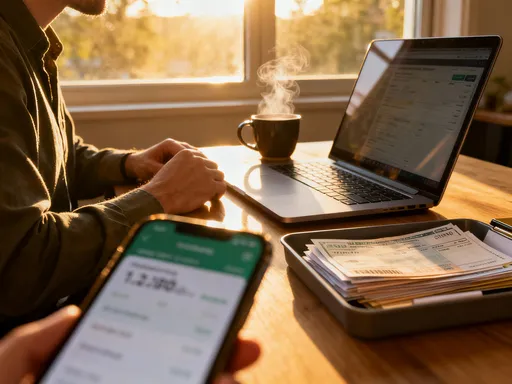
Eventually, I downloaded a lightweight app that automatically logged my trips using location data. It didn’t ask for much—just permission to track when I was moving and for how long. No ads, no pop-ups, no pressure. What surprised me was how little I had to do. The app recorded the route, duration, and even estimated traffic conditions. But the real value wasn’t in the numbers—it was in the reflection it inspired. At the end of each week, I’d review my trips and ask: Which ones left me feeling energized? Which ones drained me? What could I do differently?
The app didn’t tell me what to do—it helped me see what I was already doing. And that’s the key. Technology doesn’t have to be flashy or complicated to be powerful. Sometimes, the most helpful tools are the quiet ones—the ones that sit in the background and help you notice what matters. I didn’t need AI to make decisions for me. I just needed a mirror. And that’s what this tracking became: a reflection of my habits, my energy, and my intentions.
Personalization: Matching Tools to Your Life, Not the Other Way Around
One of the biggest mistakes we make with technology is trying to fit our lives into what the tool offers. But the best tools adapt to us—not the other way around. I learned this the hard way when I first tried using a productivity app that pushed me to listen to business podcasts every morning. I thought, 'This is smart. I should learn while I drive.' But after a week, I was more stressed than ever. The content was dense, fast-paced, and made me feel like I wasn’t doing enough. It wasn’t helping me—it was adding pressure.
So I paused and asked myself: What do I actually need from this time? I realized I didn’t want to feel like I was in a boardroom. I wanted calm. I wanted space to breathe. I wanted to feel like *me* before I walked into work. So I changed course. I started curating playlists—soft piano, acoustic covers, nature sounds. I found audiobooks with soothing narrators, not high-energy motivational speakers. And slowly, my car became a sanctuary instead of a stress chamber.
What made the difference was personalization. The app I used began to learn my preferences. It noticed that I often played calming music on Mondays and saved podcasts for Fridays. It started suggesting content based on my mood, not just my location. It didn’t replace my judgment—it supported it. And that’s the magic of good tech: it doesn’t command; it collaborates. It’s like having a quiet friend who knows your rhythms and gently reminds you of what you already know—like when to slow down, when to listen, and when to just be.
From Passive Rider to Active Creator
There’s a big difference between being a passenger and being a creator. For years, I was a passenger in my own commute—letting the day happen to me instead of shaping it. But once I started tracking and reflecting, I began to see possibilities. What if, instead of just enduring the drive, I could *design* it? I started setting tiny goals: finish one chapter of a book, brainstorm one idea for a project, practice gratitude by naming three things I was thankful for. These weren’t grand ambitions—they were small, doable intentions that gave me a sense of control.
And something shifted. I began to look forward to the drive. Not because the traffic improved, but because I had something to look forward to. I wasn’t just moving through space—I was growing. One week, I finished an entire audiobook on mindfulness. Another, I recorded voice notes for a personal project I’d been putting off for months. My car became a mobile studio, a quiet classroom, a space for emotional reset. I wasn’t just commuting—I was evolving.
The most surprising change? I started arriving earlier. Not because I left home sooner, but because I *wanted* to use the time. I’d pull into the parking lot five minutes early, finish my chapter, and take a deep breath before walking in. That small buffer made a huge difference. I wasn’t rushing. I wasn’t scrambling. I was present. And that presence carried into my work, my relationships, and my sense of self.
Family, Focus, and the Ripple Effect
Change doesn’t happen in isolation. When I started showing up calmer, more focused, and more present, it didn’t just affect me—it affected everyone around me. My kids noticed first. 'You’re not yelling in the car anymore,' my daughter said one evening. 'You seem… happier.' That hit me. I hadn’t realized how much of my road frustration was spilling into our family time. But as my commute became a space for calm instead of chaos, I brought less tension home.
My husband noticed too. 'You’re more available at dinner,' he said. 'Like you’re really listening.' I realized that the mental space I was creating during my drive was showing up in our conversations. I wasn’t mentally still at the office or replaying traffic in my head. I was there—with him, with the kids, with our life.
Even our routines shifted. My son started asking me what I listened to on the drive. I shared a few of my favorite audiobooks with him, and now he listens to them on his way to school. What began as a personal experiment became a family conversation about how we use our time. We started talking about 'me-time' not as something we have to schedule, but as something we can weave into the in-between moments. And that’s when I realized: this wasn’t just about me. It was about creating a culture of intention in our home.
Building a Life That Moves With You
Today, I don’t just track my commutes—I honor them. That time isn’t stolen from my day; it’s woven into who I’m becoming. The app didn’t save me time—it helped me reclaim my attention. And that’s the real win: not efficiency, but presence. Because when you stop rushing through the journey, you start living the life.
What I’ve learned is that technology, at its best, doesn’t replace human experience—it deepens it. It helps us see what we might otherwise miss. It gives us the space to reflect, to grow, to connect. And for someone like me—a mom, a partner, a professional juggling a hundred things—having a few quiet minutes each day isn’t a luxury. It’s a lifeline.
If you’re reading this and thinking, 'I don’t have time for one more thing,' I get it. But this isn’t about adding more. It’s about using what you already have. Your commute, your walk to the mailbox, your trip to the grocery store—these moments matter. They’re not empty. They’re full of potential. And with the right tools, they can become the quiet foundation of a more intentional, more peaceful, more *you* kind of life.
So next time you’re in the car, instead of reaching for your phone, try something different. Ask yourself: How do I want to feel when I arrive? What small thing could make this time meaningful? You might be surprised at how much can change—not because you did more, but because you paid attention. Because sometimes, the most powerful tech isn’t in the device. It’s in the decision to be present. And that’s a tool we all carry with us.