What if Your Shopping App Could Help You Stay Healthier—Without Any Extra Effort?
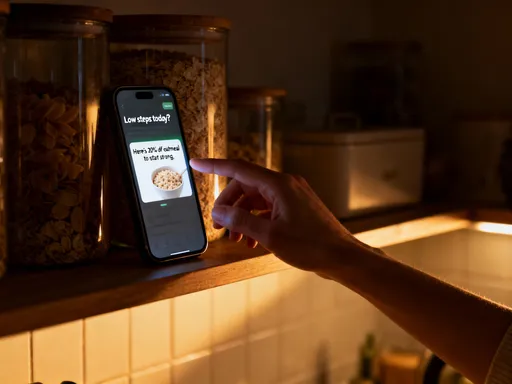
Imagine opening your grocery loyalty app and seeing a gentle reminder: “You usually buy oatmeal on Tuesdays—your step count’s been low this week, so here’s a 20% discount to start strong.” That’s not sci-fi—it’s the quiet evolution of membership tech, blending shopping perks with personal well-being. These tools are no longer just about points and discounts. They’re becoming intuitive allies in daily health, quietly supporting better choices. You don’t have to log anything extra or download another app. The system already knows your rhythm. And now, it’s starting to care—not just about what you buy, but how you’re doing. Let’s explore how this shift is already happening, and how you can make it work for you, one small step at a time.
The Hidden Power of Membership Apps: More Than Just Discounts
Think about the last time you walked into your favorite grocery store. Maybe you grabbed your reusable bags, checked your list, and headed straight for the dairy aisle. You scanned your loyalty card without thinking—just a habit. But behind that simple swipe, something powerful is unfolding. Your app already knows you buy almond milk every Friday, that you pick up frozen berries when you’re feeling low, and that you tend to skip veggies when you’re stressed. It’s not judging you. It’s learning. And now, some of these apps are starting to respond—not just with coupons, but with care.
This isn’t about flashy new technology. It’s about quiet intelligence. Retailers and pharmacies are realizing that loyalty isn’t just about price. It’s about trust. And trust grows when a brand helps you feel better, not just save money. So they’re building features that gently support healthier habits—right inside the apps you already use every week. For example, one national pharmacy chain now sends hydration reminders during heatwaves, especially to customers who regularly buy sports drinks or electrolyte tablets. It’s not an ad. It’s a nudge: “It’s 95 degrees today. You’re active—don’t forget to drink water.”
Another grocery app noticed that customers who buy oatmeal on weekends tend to log more steps on those mornings. So they started offering a small discount on oats when local weather data shows a sunny Saturday. It’s not random. It’s pattern recognition with purpose. These systems aren’t watching you. They’re learning from you—and offering support in moments when you might need it most. The shift is subtle, but profound: from transaction to relationship, from points to partnership.
And here’s the best part: you don’t have to do anything different to benefit. No extra apps, no complicated setup. Just keep doing what you’re already doing—shopping, scanning, saving. The tech is already there. It’s just starting to care a little more.
How Health Tracking Fits Into Your Daily Shopping Routine
We often think of health as something we have to “do”—a workout, a diet, a doctor’s appointment. But much of real wellness happens in the small, automatic choices we make every day. What you grab for breakfast. Whether you refill your vitamins on time. If you remember to buy bananas when the kids run out of snacks. These aren’t isolated moments. They’re part of a rhythm. And that rhythm leaves a trail—one that your shopping app can now follow to help you stay on track.
Take Sarah, a mom of two in Ohio. She uses her grocery app to save on diapers, wipes, and frozen meals. Last winter, the app noticed she hadn’t bought her usual vitamin D supplements in over two months. It also saw that her step count—synced from her fitness tracker—had dropped sharply since the holidays. So one morning, she got a message: “Missed your vitamins lately? Boost your energy with 30% off your favorite brand—plus a free tea sample.” It wasn’t pushy. It wasn’t guilt-inducing. It was timely, kind, and useful. She clicked, added them to her cart, and felt a little more in control.
This is how health tracking fits into real life—not through strict logging, but through gentle awareness. When your app knows you buy protein bars after the gym, it can reward that pattern. When it sees you skip your usual produce run, it might suggest a quick salad kit with a discount. Some pharmacies now offer early access to flu shots for members who’ve consistently filled their prescriptions on time. It’s not about surveillance. It’s about recognition. You’re already doing the work. The app just helps you see it—and celebrates it.
For busy women juggling jobs, kids, and self-care, this kind of support can be a game-changer. It reduces decision fatigue. It removes friction. And it turns routine shopping into a tool for better health—without asking you to do more. You’re not adding a habit. You’re reinforcing one you already have.
Setting Up Your Account to Support Wellness Goals
Now, you might be thinking: “This sounds great, but isn’t it complicated? Do I need to be tech-savvy to make it work?” The answer is no. These features are designed for real life—not for engineers. Most of the setup takes less than five minutes, and you can do it from your phone while waiting in the school pickup line or during your evening tea.
Start by opening your grocery or pharmacy app. Look for a section called “Wellness,” “Health Benefits,” or “Account Settings.” It might be under a heart icon or a profile menu. Once you’re there, check if there’s an option to connect your wearable device—like a fitness band or smartwatch. Most major apps now support this. Just tap “Connect Device,” choose your brand, and follow the prompts. It’s the same way you’d link a new playlist to your speaker. Simple. Secure. Done.
Here’s a little conversation I had with my sister last month: “Wait, my fitness band works with my pharmacy app?” I said, “Yes—and here’s how to connect them in under two minutes.” She followed the steps, and within hours, her app started recognizing her daily walks. The next day, she got a message: “You’ve walked 5,000 steps today—enjoy 15% off trail mix for a post-walk snack.” She laughed. “It’s like the app knows me.” That’s the point. It does.
You can also opt into wellness challenges—like “Fill your cart with five colors this week” or “Hit 7,000 steps for three days and earn a coupon.” These aren’t about perfection. They’re about encouragement. And the best part? You can turn them off anytime. No pressure. Just possibility. Setting this up isn’t about becoming someone else. It’s about letting the tools you already use support the person you already are.
Personalizing Notifications That Actually Help
Let’s be honest—most app notifications feel like noise. “Flash sale! Limited time! Don’t miss out!” We’ve all swiped them away without reading. But what if your app only sent messages that felt helpful, not pushy? That’s the goal of personalized wellness alerts. And the good news? You’re in charge of what you see.
Most apps let you customize your notifications. You can choose what kinds of nudges you want—and when you want them. For example, if you’re someone who loves morning motivation, you can set your app to send a “Good morning! Ready to move?” message at 7 a.m., along with a discount on your favorite yogurt. If evenings are your time to unwind, you might prefer a calm reminder like “You’ve had a busy week. Try a magnesium supplement and a warm bath.”
I worked with a friend last month who was overwhelmed by alerts. She said, “I love the idea, but I don’t need a reminder to drink water at 3 a.m.” We went into her settings together and adjusted the timing. Now, she only gets hydration prompts on days she logs a workout—and only between 10 a.m. and 6 p.m. She also chose to mute all notifications during her kids’ school hours. The result? The app feels less like a taskmaster and more like a thoughtful friend.
You can also pick the type of rewards that matter to you. Some apps let you choose between discounts on healthy snacks, fitness gear, or even meditation app subscriptions. One mom I know set hers to reward fruit purchases—because getting her kids to eat apples feels like a win worth celebrating. By tailoring the experience, you make it personal. And when tech feels personal, it feels kind. It stops being a tool and starts feeling like support.
Turning Points Into Meaningful Progress
Points used to mean one thing: a dollar off next time. But now, some apps are letting you turn those points into real-life wins. Imagine earning a free smoothie after seven days of consistent sleep tracking. Or unlocking a free online yoga class after logging ten healthy grocery trips. This isn’t just about saving money. It’s about seeing your effort reflected in rewards that matter.
One national grocery chain recently launched a “Wellness Wheel” where members spin for prizes after hitting health milestones—like walking 50,000 steps in a month or buying five types of vegetables in one week. Prizes include things like reusable water bottles, healthy cookbooks, or even a free family movie night pass. It turns small habits into something tangible. And for parents, that’s powerful. Because when your kids see that eating broccoli leads to a fun night out, they start to connect healthy choices with joy—not sacrifice.
Some apps now offer family plans, where everyone’s progress counts toward a shared goal. One family I know set a challenge to reduce sugary drink purchases by 50% over six weeks. Every time they stuck to water or unsweetened tea, they earned points. When they hit the goal, they used their reward for a weekend picnic—complete with homemade lemonade and a new frisbee. It wasn’t just about health. It was about togetherness. The app didn’t replace family time. It helped create it.
That’s the real power of this shift: it turns abstract data into emotional rewards. You’re not just tracking steps or purchases. You’re building a story of progress—one that feels good to live in.
Staying in Control: Privacy, Boundaries, and Trust
Of course, with any tech that knows more about you, questions come up. Who sees my data? Is it safe? Can I turn it off? These are smart, important questions—and the good news is that these apps are built with privacy in mind. Most of the health-linked features are opt-in, not automatic. That means you choose what to share. You decide whether to connect your fitness tracker, your sleep data, or your prescription history. No one is watching. No one is judging. You’re in charge.
Your data is also protected with encryption—the same kind banks use. That means it’s stored securely and can’t be accessed by third parties without your permission. And you can review your settings anytime. Most apps have a “Privacy Center” where you can see what’s connected, what’s being shared, and what you can change. It’s like a dashboard for your digital well-being.
But beyond data, there’s another kind of control: emotional control. Tech should help, not pressure. That’s why most apps let you pause wellness features during busy or stressful times. Going through a tough week? You can mute all health nudges for a few days. Coming back from vacation? You can restart when you’re ready. This isn’t about perfection. It’s about flexibility. The app adapts to you—not the other way around.
One woman told me, “I love the reminders, but sometimes I just need to survive the week.” So she set her app to go quiet every Sunday night. No alerts until Wednesday. It gave her space. That’s the kind of balance we all need. Technology at its best doesn’t demand more. It respects your rhythm—and supports it when you’re ready.
Building a Smarter, Kinder Daily Rhythm
When we think about technology, we often imagine something fast, loud, or disruptive. But the most meaningful tech doesn’t shout. It whispers. It shows up in the quiet moments: a reminder to stretch when you’ve been on your feet all day. A discount on soup when the weather turns cold. A note that says, “You’ve been consistent with your vitamins—great job.”
These small interactions, woven into your existing routines, don’t ask for more effort. They honor the effort you’re already making. And over time, they build something bigger: a daily rhythm that feels more balanced, more supportive, more human. You’re not chasing goals. You’re living well—supported by tools that understand your life, not complicate it.
The emotional rewards are real. You start to feel seen. Not by a machine, but by a system that’s learned your patterns and responds with care. You feel capable—because small wins add up. And you feel less alone, because even in the busiest weeks, there’s a quiet voice saying, “I’ve got your back.”
So here’s my invitation: pick one small step this week. Open your loyalty app. Check your settings. Connect your wearable. Or just read the next wellness tip that pops up—without swiping it away. Notice how it feels. Does it help? Does it fit? You don’t have to change everything. You don’t have to be perfect. You just have to begin.
Because the future of health isn’t in a lab or a gym. It’s in your pocket. It’s in your cart. It’s in the quiet moments when technology, used wisely, doesn’t just make life easier—but kinder, too.