What If Your Creative Projects Could Track Themselves?
Ever start a passion project full of energy, only to lose momentum weeks later? You’re not alone. The real challenge isn’t ideas—it’s staying on track without burning out. What if your to-do list could reflect not just deadlines, but your actual progress, energy, and inspiration? Today’s project tools do more than organize—they adapt to how you really work. Let’s explore how the right platform can quietly guide your creativity from spark to finish—without the stress.
The Hidden Struggle Behind Every Creative Project
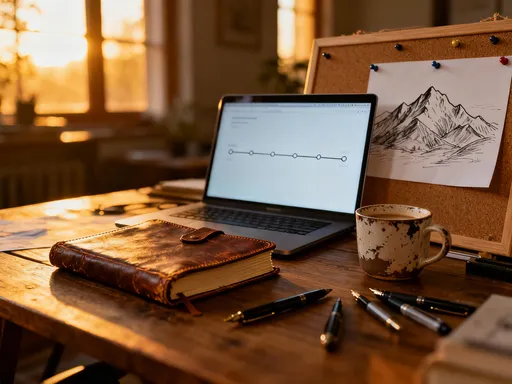
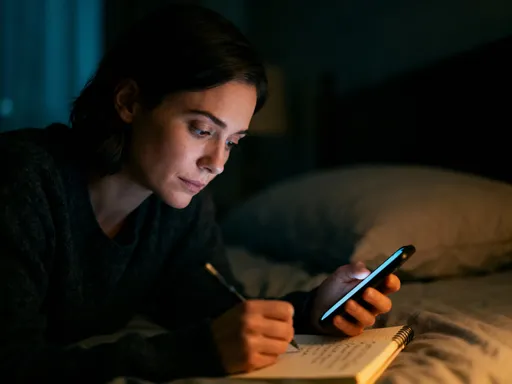
Remember that journal you bought with such hope last spring? The one with the soft cover and blank pages waiting for your thoughts, your dreams, maybe even the beginning of a novel? You filled the first few pages with excitement—vivid descriptions, bold ideas, even sketches in the margins. Then life happened. A sick child. A busy week at work. A sudden rainstorm that ruined your garden plans. And slowly, the entries stopped. Now it sits on your nightstand, a quiet reminder of something beautiful you started but never finished.
This isn’t failure. This is human. So many of us—mothers, caregivers, professionals, dreamers—begin creative projects with genuine passion. We want to write family stories, learn to paint, start a small business, or create something meaningful for the people we love. But creativity doesn’t always move forward in straight lines. It breathes. It pauses. It circles back. And when our tools don’t reflect that, we start to doubt ourselves.
The real struggle isn’t laziness or lack of discipline. It’s the invisible weight of uncertainty. Where exactly are you in your project? Are you close to finishing, or just at the beginning of the hard part? Without clear markers, it’s easy to feel lost. That uncertainty chips away at motivation. You might look at your half-written manuscript or your half-crocheted blanket and think, I’ll never finish this. But the problem isn’t you. It’s that your tool—the notebook, the checklist, the folder on your desktop—can’t show the full picture of your progress.
And that’s where the emotional toll begins. There’s guilt, yes, but also confusion. A quiet fear that maybe you’re not the kind of person who finishes things. But here’s the truth: you’re not failing. You’re just using a system built for a different kind of work—one that measures output, not effort, and completion, not growth. What if your creative journey could be seen, not just in words or tasks, but in the rhythm of your life? What if your project could keep track of itself, so you don’t have to?
Why Traditional To-Do Lists Fail Creative Minds
We’ve all tried them: the neatly written checklist, the color-coded planner, the digital task app with satisfying checkmarks. And for grocery shopping or scheduling appointments, they work beautifully. But when it comes to creative projects—writing a memoir, designing a quilt, recording a family history—these tools often fall short. Why? Because creativity doesn’t follow a checklist. It doesn’t move from point A to point B in a predictable way. It’s messy, emotional, and deeply personal.
Imagine you’re working on a cookbook filled with your grandmother’s recipes and your own family favorites. One day, you spend two hours researching old ingredients. No recipe is written. No photo is taken. But your mind is alive with stories, flavors, memories. You’re making progress—deep, meaningful progress—but your to-do list sees nothing. No checkmark. No reward. Just silence. That silence can feel like failure.
Traditional task managers were built for efficiency, not expression. They reward action, not reflection. They count tasks, not transformations. But in creative work, the most important steps often happen in the quiet: the moment you finally understand a character in your story, the afternoon you decide on the perfect color palette for your art piece, the conversation with your sister that sparks a new chapter in your family history project. These aren’t tasks. They’re turning points.
And when your tool doesn’t recognize them, you start to question your own value. Did I do enough today? Am I even moving forward? The pressure builds. You might force yourself to “produce” something just to check a box, but that kind of work rarely feels authentic. It drains you instead of energizing you. The rigidity of standard planners can actually block creativity, turning what should be joyful into another source of stress.
What we need isn’t more discipline. We need tools that understand us. Tools that see the full scope of our effort—not just the visible output, but the thinking, the feeling, the living that fuels our projects. We need systems that honor the non-linear path of creation, where a day of rest is as important as a day of work, and a moment of inspiration counts as progress.
How Smart Platforms Turn Fuzzy Progress into Clear Movement
What if your project could keep its own journal? Not just tracking what you did, but how you felt, how long you spent, and how your ideas evolved? That’s the promise of modern creative platforms—tools designed not just to organize, but to understand. These aren’t just digital notebooks or task lists. They’re intelligent companions that map your journey in ways that feel personal, meaningful, and deeply encouraging.
Take visual timelines, for example. Instead of a list of tasks, you see a flowing timeline of your project. Each entry—whether it’s a voice note, a sketch, a photo of your workspace, or a few lines of writing—becomes a milestone. You can scroll back and see how far you’ve come, even if you haven’t “finished” anything. One mother I spoke with used this to create a handmade birthday book for her daughter. She added a photo each week—sometimes of a finished page, sometimes just of her coffee cup and open notebook. Over time, she could see the rhythm of her effort. On weeks when she only added one image, she didn’t feel guilty. She saw continuity. The timeline didn’t lie: she was still moving forward.
Another powerful feature is mood tagging. Some platforms let you tag your entries with how you felt that day—excited, tired, inspired, stuck. Later, you can look back and see patterns. Maybe you do your best writing on quiet Sunday mornings. Or maybe your sketching flows when you’re feeling nostalgic. This isn’t just data. It’s self-awareness. It helps you work with your energy, not against it.
And then there are automatic progress cues—small, gentle nudges that celebrate effort, not just completion. A simple progress bar that fills not with tasks, but with time spent or ideas captured. One user shared how she set up a system where every time she recorded a voice memo for her podcast idea, the bar moved forward. Even if she didn’t edit or publish, she could see that her creativity was active. That small visual cue kept her connected to her project during busy weeks.
These tools don’t replace your intuition. They enhance it. They give form to the fuzzy, emotional work of creation. They help you see that progress isn’t always a finished product—it’s also a thought captured, a memory preserved, a moment of courage when you showed up, even if you didn’t “do” much. And when you can see that, the guilt fades. What grows in its place is confidence.
Designing Your Workflow Around Life, Not the Clock
We don’t live in neat 30-minute blocks. Our days are full of surprises—a last-minute school event, a sick pet, a sudden need to help a neighbor. And yet, so many productivity tools assume we do. They send reminders at fixed times, demand daily check-ins, and make us feel behind when life interrupts. But creativity doesn’t thrive on rigid schedules. It flourishes in the in-between moments—the quiet cup of tea before the kids wake up, the 15 minutes waiting at the doctor’s office, the walk around the block when you need to clear your head.
The best modern platforms understand this. They’re designed to adapt to your life, not the other way around. Instead of pushing you to work at a certain time, they learn when you’re most likely to engage. Maybe you always add notes on Friday evenings. Or perhaps your creative energy peaks on rainy afternoons. Smart tools notice these patterns and adjust. They might send a gentle nudge at your favorite time, or pause reminders during weeks when you’ve been unusually busy.
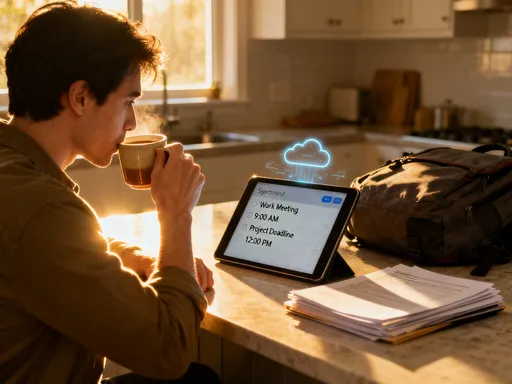
Consider Maria, a middle school teacher and mother of two, who started a podcast about family traditions. She didn’t have hours to record or edit. But she had moments—driving to work, folding laundry, lying in bed at night. Her platform allowed her to record short voice memos anytime, which were automatically saved and organized. On busy weeks, the system didn’t nag her. It simply held her ideas safely, waiting. When she had time, she could listen back, edit, and build episodes piece by piece. The tool didn’t demand perfection. It honored her rhythm.
Some platforms even let you set “pause” periods. Going on vacation? Deep in holiday prep? You can tell the system, and it won’t send reminders or show you progress gaps. It understands that rest is part of the process. When you return, it welcomes you back without judgment. This kind of flexibility removes the guilt that so often kills creative projects. You’re not failing when life gets busy. You’re living. And your project can wait, without falling apart.
These tools don’t make you more productive for the sake of productivity. They make your creativity sustainable. They protect your peace. They let you show up in small ways, knowing that every little bit counts—and is seen.
The Emotional Reward of Seeing Your Growth
There’s a moment—quiet and powerful—when you realize how far you’ve come. Maybe you’re flipping through a digital album of your art project, or scrolling through voice memos of your writing journey, or looking at a timeline that shows months of small efforts. That moment isn’t about completion. It’s about recognition. You see not just the work, but the woman who did it. The one who showed up, even when she was tired. Who kept going, even when she doubted. Who cared enough to try.
This is the emotional reward of visual progress tracking. It’s not just a feature. It’s a mirror. When you can see your journey laid out—the late nights, the breakthroughs, the days you almost quit but didn’t—it changes how you see yourself. You’re not someone who starts things and drops them. You’re someone who creates, who persists, who values meaning over speed.
One mother used a digital journal to compile family memories for her aging parents. She added photos, scanned old letters, recorded her children’s voices telling stories. At first, it felt slow. But over time, she could see the project growing—not just in content, but in emotional depth. When she finally shared it, her parents cried. But her own tears came earlier—when she looked at the timeline and realized she’d been working on this act of love for over a year, in quiet, consistent ways. The platform didn’t just help her organize. It helped her honor her own effort.
That’s the deeper power of these tools. They don’t just track progress. They validate it. They turn invisible labor into something visible and valued. And in a world that often measures women by how much they do for others, this is revolutionary. It says: Your creative work matters. Your time matters. You matter. That kind of recognition doesn’t just motivate. It transforms.
Simple Steps to Start Smarter (Not Harder)
You don’t need to overhaul your life to begin. In fact, the best way to start is small—so small it feels almost too easy. The goal isn’t to be perfect. It’s to be present. Here’s how to begin, without pressure or complexity.
First, choose a tool that feels good to use. It doesn’t have to be fancy. Look for one that lets you add different kinds of content—text, voice, photos—because creativity isn’t just words on a page. It’s sounds, images, feelings. Try a few free options. See which one makes you smile when you open it. That’s the one.
Next, pick one small project—something that lights you up, even a little. Maybe it’s a recipe collection, a photo series of your garden, or a voice journal for your thoughts. Don’t aim to finish. Aim to begin. Then, choose just one tracking feature to use. Maybe it’s a daily note—just three sentences about what you thought about your project that day. Or a photo of your workspace. Or a mood tag. That’s it. One thing.
And here’s the most important shift: redefine what counts as progress. Spent 20 minutes daydreaming about your story? That’s progress. Had a conversation with your sister that gave you an idea? Progress. Looked at your project and decided not to work on it today? Also progress—because you’re still connected.
Let me walk you through a simple start. Say you want to create a vision board for your personal growth. Open your chosen platform. Add one image today—just one—that represents how you feel right now. It could be a flower, a quiet road, a cup of tea. That’s your first entry. Tomorrow, add a word or a short voice note. No pressure to fill the board. Just keep showing up. Over time, you’ll see a story emerge—not of perfection, but of presence. And that’s more powerful than any checklist.
When Technology Feels Like a Trusted Companion
The best tools don’t shout. They don’t beep, nag, or shame you for missing a day. They don’t measure you against someone else’s pace. Instead, they listen. They remember. They hold your ideas gently, like a trusted friend who knows when to speak and when to stay quiet.
That’s what it feels like when technology truly supports creativity. It’s not about efficiency. It’s about care. It’s a system that learns your rhythm, celebrates your small wins, and stays with you through the slow days. It reduces the mental load of remembering, organizing, and judging—so you can focus on what matters: the work, the meaning, the joy.
One user put it perfectly: “It doesn’t push me—it gets me.” She’s a grandmother writing letters to her grandchildren, to be read when they’re older. Some days she writes pages. Some days she just adds a photo of the sky and a single sentence. Her platform doesn’t demand more. It simply keeps her journey safe, visible, and valued. And that, she says, is what keeps her going.
At its best, technology doesn’t replace the human heart. It amplifies it. It helps us honor our creativity not as a side project, but as a vital part of who we are. It reminds us that progress isn’t about speed or perfection. It’s about showing up, again and again, with love and intention. Whether you’re creating for your family, your community, or your own soul, the right tool can help you see that every small step matters. And in the end, that’s the most empowering truth of all.