What If Your Smart Trash Can Is Putting Your Family’s Safety at Risk?
You’ve probably welcomed a smart trash can into your home for its convenience—no more touching dirty lids, no more forgetting to take out the trash. But what if that sleek, motion-sensing bin is quietly collecting more than just garbage? Behind its smooth automation lies a hidden web of privacy risks and household hazards most people never see. I learned this the hard way—until a small mistake made me rethink everything I thought I knew about “smart” living. It started with an ad. Out of nowhere, my phone showed a promo for children’s voice-recording toys. That’s when I realized: my daughter had never searched for that. But she had sung her ABCs near the kitchen bin that morning. And that bin? It was listening.
The Day My Trash Talked Back
It sounds like something out of a sci-fi movie, doesn’t it? A trash can that listens, remembers, and even shares. But it happened to me in broad daylight, in my own kitchen, where I thought we were safe and private. One afternoon, while helping my youngest with homework, my phone buzzed. A targeted ad popped up: “Interactive learning toys that respond to your child’s voice!” I froze. I hadn’t searched for anything like that. My husband hadn’t either. But then it hit me—my daughter had been singing loudly near the smart trash can just an hour before. She was practicing her alphabet, belting it out like she was on a stage. And the bin, with its voice-activated feature I’d turned on months ago, had recorded every word.
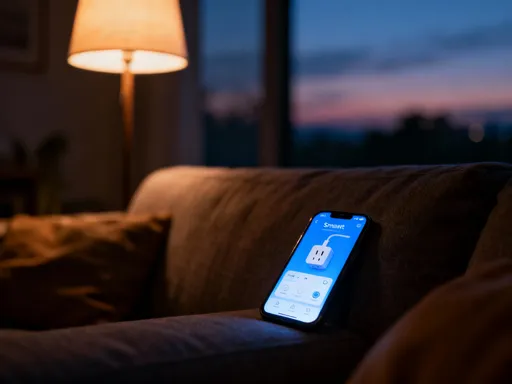
I opened the companion app, heart pounding. There it was—a timestamped audio clip labeled “Ambient Sound Detected.” My daughter’s voice, clear as day, saying “A-B-C-D-E-F-G…” I felt a chill. This wasn’t just a trash can anymore. It was a silent witness in my home. I never meant to hand over that moment to a machine. I just wanted convenience—no more touching the lid with messy hands after chopping onions or emptying pet food bags. But in exchange for that small comfort, I’d allowed a device to record one of the sweetest, most innocent parts of motherhood. That night, I didn’t sleep. I kept thinking: What else has it heard? Family arguments? Private conversations? My son’s bedtime prayers? And more importantly—where did that data go?
This isn’t about paranoia. It’s about awareness. We bring smart devices into our homes because they promise to make life easier. But we don’t always stop to ask what they’re doing when we’re not watching. That trash can wasn’t just opening its lid—it was opening a door to our private world. And once that door is open, who’s walking through it?
How Smart Bins Work—And Where They Go Too Far
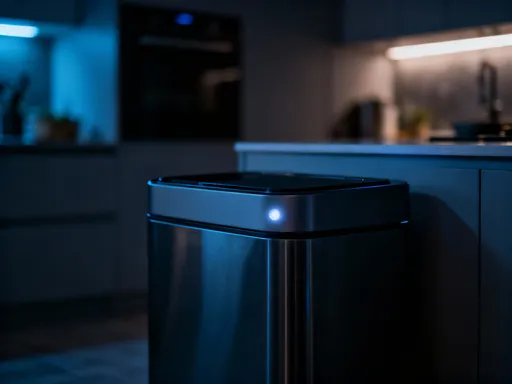
Let’s be honest—smart trash cans are kind of genius. You wave your hand, the lid opens. No touch, no mess, no hassle. Some even tell you when they’re full or order replacement bags automatically. Sounds like the future, right? But behind that sleek design is a network of sensors, microphones, and software that’s always on, always listening. Most models use motion sensors to detect movement, but many also include voice activation—like saying “Open the trash” to trigger the lid. And to make that work, they need to be listening for keywords, 24/7.
Think of it like this: your smart bin is like a helpful neighbor who shows up with cookies but also happens to overhear every conversation you have on your porch. They don’t mean any harm, but they’re paying attention. These devices collect audio snippets, store them in the cloud, and use them to improve performance—or so the companies say. But here’s the catch: most people don’t realize that enabling voice control means allowing continuous audio monitoring. And during setup, when we quickly tap “I agree” on those long privacy policies, we’re giving permission for our homes to be recorded in ways we don’t fully understand.
The technology itself isn’t evil. It’s impressive, actually. But the problem is the gap between what we expect and what’s really happening. We think we’re buying a hands-free trash can. What we’re actually bringing in is a connected device with access to our home’s Wi-Fi, our voices, and sometimes even our routines. And because these bins are usually placed in high-traffic areas like kitchens or laundry rooms, they’re perfectly positioned to capture more than just garbage. They’re capturing life.
I used to think “smart” meant safer, easier, better. But I’ve learned that “smart” also means connected—and connected means vulnerable. Not because the device is flawed, but because we’re not always aware of what we’re signing up for. And that lack of awareness is exactly what puts our families at risk.
The Hidden Risks Lurking in Your Kitchen Corner
It’s easy to dismiss this as an overblown fear—after all, how much harm can a trash can really do? But the risks are more real than you might think. First, there’s the issue of unintended recordings. Smart bins with voice features don’t know the difference between a command like “Open” and your child singing, your partner venting about work, or you discussing a family health concern. Every sound is potential data. And once that audio is stored in the cloud, it’s no longer just yours. It’s part of a larger system—one that may be accessed by third parties, used for analytics, or even exposed in a data breach.
Then there’s the Wi-Fi risk. Your smart trash can is connected to your home network. That means if a hacker finds a weakness—like an outdated software version or a weak password—they could use the bin as a backdoor into your entire system. From there, they might access your cameras, your smart thermostat, or even your personal devices. It sounds extreme, but security experts have demonstrated how even the most mundane smart devices can be exploited. Your trash can might not seem like a target, but to a hacker, it’s just another unlocked window.
And let’s talk about data sharing. Many companies claim they only collect “anonymous” data. But studies have shown that voice recordings, even when stripped of names, can often be re-identified using voice patterns, background sounds, or contextual clues. One investigation found that certain brands share anonymized audio clips with third-party contractors for “quality improvement.” That means your child’s voice could end up in a training dataset for a voice recognition algorithm—thousands of miles away, in a server you’ll never see.
I’ll never forget the moment I realized this could affect my family. My daughter’s voice in an ad was the wake-up call. But it could have been worse. What if that recording had been used to build a profile of her speech patterns? What if it was stored indefinitely? We don’t always get to decide how our data is used—especially when we don’t know it’s being collected in the first place. The truth is, our homes are no longer just physical spaces. They’re digital ones too. And if we’re not careful, we’re inviting strangers into both.
Real Talk: What Most Brands Won’t Tell You
When I bought my smart trash can, the box said “Effortless. Hygienic. Smart.” Nowhere did it say “Always listening. Data collected. Third-party sharing possible.” That’s the reality of how these products are marketed. Companies highlight the benefits—convenience, cleanliness, innovation—but downplay the trade-offs. The fine print is buried in digital terms and conditions, written in dense legal language that most of us skip. And why wouldn’t we? We’re excited. We want the tech to work. We just want our lives to be easier.
But here’s what they don’t tell you: many smart bins collect far more data than necessary. Some record not just voice commands but ambient sounds, room temperature, usage frequency, and even movement patterns. This data is used to “improve user experience,” but it also helps companies build detailed profiles of how we live. And yes—some of that data is shared with partners, advertisers, or analytics firms. Not your name, maybe. But your habits? Your routines? Your family’s voices? Those can be just as revealing.
I reached out to customer support after my discovery, hoping for reassurance. Instead, I got a scripted response: “We take privacy seriously and use encryption to protect user data.” Great—but that didn’t answer my real question: Can I turn off the voice recording? And if I do, will past recordings be deleted? It took three emails to get a clear answer. And even then, the process wasn’t simple. I had to dig through settings, disable features one by one, and manually delete old audio files. For a busy mom, that’s not convenience. That’s stress.
The bigger issue? This lack of transparency erodes trust. We want to believe the brands we invite into our homes have our best interests at heart. But when they hide important details behind jargon and legalese, they’re asking us to trust blindly. And in a world where data is currency, that’s a dangerous game. Convenience is valuable—but not at the cost of our privacy, our peace, or our children’s safety. We deserve better. We deserve honesty. We deserve to know exactly what we’re bringing into our homes.
Protecting What Matters Most—Without Ditching Technology
Now, I’m not saying you should throw out your smart trash can. I didn’t. Technology can still be a force for good—when we use it wisely. The key is taking control. And the good news? It’s easier than you think. Start with the basics: disable voice recording if you don’t truly need it. On most models, you can turn off the microphone in the app settings. No voice command? No problem. You can still use motion sensors for hands-free access. That one step removes a major risk.
Next, strengthen your home Wi-Fi. Use a strong, unique password and enable WPA3 encryption if your router supports it. Create a separate network for smart devices—some routers call this a “guest network.” That way, even if a device is compromised, the hacker can’t reach your phone or laptop. It’s like putting a security gate around your most important rooms.
Keep your devices updated. Manufacturers often release firmware updates to fix security flaws. Enable automatic updates if possible, or check for them monthly. It takes two minutes and could prevent a major breach. Also, review app permissions. Does your trash can app really need access to your contacts or location? Probably not. Adjust the settings to limit what it can see.
And think about placement. If your bin is in the kitchen, avoid putting it right next to your breakfast nook or family chat spot. Move it a few feet away from where private conversations happen. It’s a small change, but it reduces the chance of sensitive moments being recorded. These steps aren’t about fear—they’re about mindfulness. They’re about treating your smart devices like any other part of your home security. You lock your doors. You set your alarm. Why not protect your digital space the same way?
Choosing Smarter: What to Look for in a Truly Safe Smart Bin
If you’re in the market for a new smart trash can—or just want to make a better choice next time—here’s what to look for. First, prioritize devices that process data locally. That means audio is analyzed on the device itself, not sent to the cloud. Some newer models offer this feature, and it’s a game-changer for privacy. No cloud storage means no remote access to your recordings.
Look for clear privacy controls. The app should let you easily turn off the microphone, delete data, and see what’s being collected. Avoid brands that make this process confusing or hidden. Transparency is a sign of trustworthiness. Also, check if the company offers an offline mode—where the bin works without Wi-Fi. You lose some features, but you gain peace of mind.
Research the brand’s reputation. Do they publish privacy reports? Have they been involved in data scandals? A quick online search can tell you a lot. Some companies, like certain well-known appliance brands, have made strong commitments to user privacy and even allow third-party audits. Others are less accountable. Vote with your wallet. Support the ones that respect your family’s boundaries.
And don’t be swayed by flashy features. Do you really need a trash can that texts you when it’s full? Or one that plays music? Probably not. The more connected a device is, the more vulnerable it is. Simplicity can be smarter. A basic motion-sensor bin without voice or cloud features might be all you need. It’s still convenient, still clean—and far less risky.
Rethinking Smart: Living Better, Not Just More Automated
Here’s what I’ve learned: being smart isn’t about how many devices you own. It’s about how thoughtfully you use them. True intelligence in tech means making choices that protect your family, your time, and your peace. It means asking questions before saying “yes.” It means understanding that convenience should never come at the cost of trust.
That moment when I heard my daughter’s voice in an ad changed me. It didn’t make me fear technology—it made me respect it. Now, I don’t just buy smart devices because they’re new. I ask: What does it do? What does it collect? Who has access? And most importantly—do I really need it? These questions have made me a better steward of my home and a more informed parent.
You don’t have to give up the benefits of modern life. You can still enjoy hands-free lids, automated reminders, and connected convenience. But you can do it on your terms. You can have both ease and security. You can raise your kids in a home that’s not just smart—but wise.
So the next time you see a shiny new gadget promising to make life easier, pause. Look beyond the surface. Think about what it might be taking, not just what it’s giving. Because the most powerful tech isn’t the one that works the hardest—it’s the one that respects your boundaries the most. And that? That’s the kind of smart we all need.