From Silent Nights to Shared Moments: How a Simple App Reconnected Us
You know those evenings when you’re alone, scrolling mindlessly, feeling somehow both overwhelmed and empty? I was there—until I found a quiet habit that changed everything. Not another social media feed, but a digital journal app that helped me reconnect with friends in the most natural way. It didn’t replace our calls or texts. Instead, it deepened them. This is the story of how a few peaceful minutes at night brought back meaning, closeness, and calm—one shared reflection at a time.
The Evening Void: When Alone Time Feels Lonely
Have you ever sat on the couch after the kids are in bed, the dishes are done, and the house is finally quiet—only to feel that quiet pressing down on you? I used to reach for my phone almost automatically, telling myself I just needed a few minutes to unwind. But those minutes turned into half an hour, then an hour, lost in endless videos, news updates, or old photos that made me nostalgic but not really connected. The truth is, I wasn’t relaxing. I was avoiding something—maybe the loneliness that creeps in when your days are full of doing for others, but your nights feel strangely empty.
It wasn’t that I didn’t have friends. I did. But our lives had grown so busy, our conversations so brief. A quick text to check in, a birthday message with a heart emoji—sweet, but not enough. We were like ships passing in the night, each of us tired, stretched thin, not wanting to be a burden. And so, the silence grew. I’d see someone’s post online and think, I wonder how she’s really doing? But I wouldn’t reach out. I didn’t want to interrupt. I didn’t know where to start. That’s the thing about modern friendship—it’s easy to stay in touch, but hard to truly connect. And when connection fades, even the coziest home can feel a little lonely.
One night, I caught myself laughing at a video of a dog trying to climb stairs, then suddenly feeling tears in my eyes. Not because the dog was sad—far from it. But because I realized I hadn’t laughed out loud with someone I loved in weeks. I hadn’t shared a real moment. Just reactions to content, not to each other. That was the turning point. I didn’t want to just consume more. I wanted to create something—something small, something real. And that’s when I found the app that changed how I end my days.
Discovering a Different Kind of Nightly Ritual
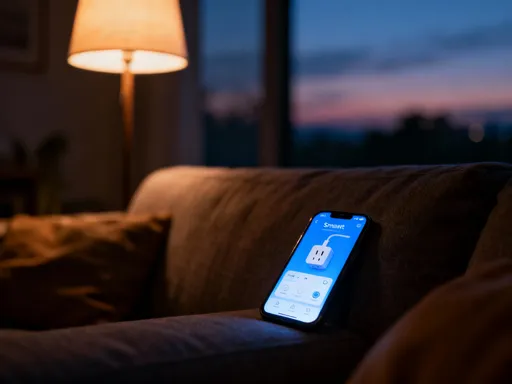
I wasn’t looking for a miracle. I was just browsing the app store, trying to find something—anything—that didn’t make me feel worse. And then I saw it: a digital journal app with a soft blue cover and a name that felt gentle, like a whisper. It wasn’t about goals or productivity. It didn’t ask me to track my water intake or log my workouts. Instead, it said, “What mattered today?” That stopped me. No one had asked me that in a long time—not even me.
I downloaded it on a whim, expecting another overly polished tool that would guilt me into journaling every night or shaming me for missing days. But from the first moment, it felt different. The opening screen was calm—no flashing icons, no notifications begging for attention. Just a simple prompt: “How are you feeling right now?” with a few soft color options: warm, quiet, tired, hopeful. I tapped “quiet” and then, almost without thinking, typed: “I miss talking to people, not just scrolling past them.”
Then came the surprise. At the bottom of the screen, a small option appeared: “Share this moment with someone you care about?” I hesitated. Share a raw, unfiltered thought like that? With who? I thought of my oldest friend, Maya. We’d been through college together, survived bad breakups, celebrated jobs and babies. But lately, we mostly exchanged photos of our kids or quick updates. I didn’t want to dump my loneliness on her. But the app didn’t make it feel like a big deal. It wasn’t a text that would pop up on her phone with a loud ping. It wasn’t a call I had to schedule. It was just… an invitation. A quiet “I’m here” that she could respond to when she was ready. So I took a breath and sent it—just to her.
How the App Transformed My Evenings
The next morning, I woke up to a message. Not a text. Not an email. A journal entry in reply. Maya had written: “I felt that too. Last night, I sat in the rocking chair after putting the baby down and just stared at the wall. I didn’t know how to say it, but I’m glad you did.” And then she shared her own moment from the night before—how she’d watched her daughter sleep and felt both exhausted and deeply grateful. She hadn’t posted it anywhere. She’d saved it here, in this little digital space, and let me see it.
That exchange changed something. It wasn’t a long conversation. It didn’t solve anything. But it felt real. For the first time in months, I didn’t feel alone in my tiredness. I felt seen. And the beautiful part? I didn’t have to fix anything. I didn’t have to offer advice or cheer her up. I just replied with a few words: “That sounds so full. Thank you for sharing it with me.” And that was enough.
From then on, journaling became my nightly ritual. Not every night was deep. Some days, I just wrote: “The soup was good. The laundry is never done. I saw a cardinal at the feeder.” But even those small entries became bridges. One night, I wrote about a memory—how Maya and I used to drive to the coast with no plan, windows down, singing at the top of our lungs. I added a photo of an old polaroid I’d found in a box. I shared it with her. Her reply came two days later: “I was just thinking about that trip. I played that playlist yesterday while folding tiny socks. I smiled the whole time.” We didn’t plan a call. We didn’t make promises to “get together soon.” But something shifted. We were no longer just keeping in touch. We were staying close.
The Quiet Power of Shared Reflection
What made this different from texting or calling? It wasn’t about speed or convenience. It was about presence—on your own terms. With a text, there’s pressure to respond quickly. With a call, you need energy and time. But this? It was like leaving a note on a friend’s doorstep. You don’t know when they’ll find it, but you know they will. And when they do, they can take their time. They can sit with it. They can respond when they’re ready, not when the world demands it.
I started noticing how much emotional labor I’d been avoiding—how I’d stopped reaching out because I didn’t want to ask, “How are you?” and then feel responsible for the answer. But this app changed that. When Maya shared that she was feeling overwhelmed, I didn’t feel like I had to fix it. I just wrote, “That sounds heavy. I’m here.” And that was enough. No solutions. No pep talk. Just acknowledgment. And somehow, that small act of witnessing made both of us feel lighter.
Another friend, Sarah, joined later. She’s a nurse, always on her feet, and she said this app was the first thing in weeks that didn’t make her feel like she had to do anything. “I can just be here,” she told me. “I don’t have to look pretty. I don’t have to sound cheerful. I can say, ‘Today was hard,’ and it’s okay.” That’s the magic of it. It’s not about performance. It’s about permission—to be tired, to be grateful, to be in between. And when you give that permission to yourself, you give it to others too.
Over time, our shared entries became a quiet rhythm. Not every day. Not every thought. But enough to keep the thread alive. We weren’t flooding each other’s phones. We weren’t adding to the noise. We were creating little pockets of peace—spaces where we could show up as we were, without apology.
Designing for Comfort, Not Consumption
One of the reasons this app works so well is that it doesn’t fight for your attention. In a world where every app wants you to scroll longer, tap faster, watch one more clip, this one is different. It turns off notifications after 8 PM. No buzzes, no pings, no red dots. When you open it, the screen is soft, the colors warm and muted, like the glow of a reading lamp. There’s no feed, no algorithm deciding what you should see. Just your words, your friend’s words, and space to breathe.
The interface feels like turning the pages of a real notebook. You can add photos, voice notes, or just a few lines. You can write long or short. No pressure. No judgment. And the best part? It doesn’t track streaks. No little fire icons to shame you for missing a day. No leaderboard. Just a simple welcome back when you return, like a friend saying, “Hey, I’m glad you’re here.”
I remember one night, I opened it after a particularly rough day. I didn’t want to write. I just wanted to see what Maya had shared. And there it was—a photo of her backyard at sunset, with the words: “Today was messy. But this moment was calm.” I didn’t reply. I just sat with it. And for the first time in days, I felt calm too. That’s the power of design that respects your peace. It’s not about grabbing you. It’s about holding space for you.
Most technology pulls us out of the present. This one gently brings us back. It doesn’t ask for your data or your screen time. It asks for your honesty. And in return, it gives you connection—quiet, deep, and real.
Making It a Real Habit—Without the Guilt
Let’s be honest—starting a new habit is hard. I missed days. Sometimes weeks. Life got busy. The kids were sick. Work piled up. And when I finally opened the app again, I didn’t feel bad. That’s the thing—it didn’t punish me. No “You broke your streak!” message. No sad emoji. Just a simple, “Welcome back. How are you tonight?”
That small kindness made all the difference. It taught me that showing up—even late, even quiet—is enough. I started pairing journaling with my evening tea. Just five minutes. Sometimes I wrote a paragraph. Sometimes just one sentence: “I’m proud of how I handled that phone call.” or “I need a hug.” And I only invited people I truly trusted—three friends, no more. Not everyone needs to see this part of me. And that made it feel safe.
If you’re thinking of trying something like this, here’s what worked for me: start small. Don’t aim for daily. Aim for honest. Write one true thing. And if you want to share, pick one person—the one who makes you feel safe. You don’t have to share every entry. You don’t have to reply to every message. Just let it be easy. Let it be soft.
And if you forget? No guilt. No shame. Just come back when you’re ready. This isn’t about discipline. It’s about care. For yourself. For your people. It’s not another task on your list. It’s a moment of rest, wrapped in words.
More Than an App—A New Way to Stay Close
Now, months later, our shared journal feels like a living scrapbook of our friendship. We’ve documented small joys—first steps, garden blooms, quiet mornings with coffee. We’ve held space for harder moments—loss, worry, burnout. We’ve laughed over shared memories and whispered, “Me too,” across the miles.
What’s beautiful is that none of it feels performative. There are no filters. No likes. No pressure to make it pretty. Just real words from real lives. And because we’re not rushing, not reacting in real time, our words feel more thoughtful, more tender. We’re not just staying in touch. We’re growing closer.
And the quiet evenings? They don’t feel empty anymore. They feel full. Full of reflection. Full of connection. Full of peace. I still scroll sometimes. Old habits die hard. But now, before I put my phone down, I open the journal. I write. I breathe. And if I feel like sharing, I do—softly, gently, without expectation.
This isn’t about technology replacing human connection. It’s about technology making space for it. It’s about using a tool not to distract us, but to deepen us. To help us say, “I’m here.” To let someone else say, “So am I.” And in that simple exchange, we find what we’ve been missing—not more noise, but more meaning.
So if you’re sitting in the quiet tonight, feeling that familiar ache of loneliness, I want to tell you: you’re not alone. And you don’t have to stay silent. There’s a way to reach out that doesn’t feel heavy. A way to connect that doesn’t drain you. It might be an app. It might be a notebook. It might be a text that says, “I was just thinking of you.” However it looks, the most important thing is this: care matters. And sometimes, the gentlest way of caring is simply showing up—quietly, honestly, one small moment at a time.