From Constant Worry to Total Peace: How One Smart Plug Transformed My Evenings
Imagine this: it’s 8 PM, the kids are winding down, you’re finally catching your breath—only to remember you might’ve left the living room lights on again. Or worse, the curling iron. That low hum of anxiety? I knew it too. But now, with just a glance at my phone, I *know* everything’s off. No more second-guessing. No more wasted energy. Just calm, quiet evenings—exactly how they should be. It’s not magic. It’s not luck. It’s one small device that changed the rhythm of my entire home life.
The Evening Ritual That Used to Stress Me Out
Evenings used to feel like a race against time and memory. Dinner on the table, laundry folded halfway, homework scattered across the kitchen island—I’d be helping one child with spelling words while reminding another to brush their teeth, all while my mind circled back to one nagging question: Did I turn everything off? The toaster? The hallway heater? That space heater we used during the cold snap last week? I’d replay my morning in my head like a broken record. And if I couldn’t remember, I’d drive myself crazy wondering if I was wasting electricity—or worse, risking a fire.
One winter evening, I came home late after a school play. The house was dark, quiet, and cold. Too cold. I flipped the switch in the living room and felt a wave of dread. The space heater was still on—full blast—on a shelf near the couch. I’d forgotten it completely. It had been running for over ten hours. I stood there, heart pounding, imagining how much energy we’d wasted, how high the bill would climb. But more than that, I felt guilty. Not just for the money, but for putting my family at risk over something so preventable.
That night, I realized this wasn’t just about forgetting to flip a switch. It was about the invisible load I carried—the mental checklist that never ended. Every unconfirmed “off” was a tiny weight on my shoulders. I didn’t need another chore. I needed peace of mind. And I didn’t know it yet, but the solution was smaller than my phone and cost less than a dinner out.
Discovering the Simple Tech That Changed Everything
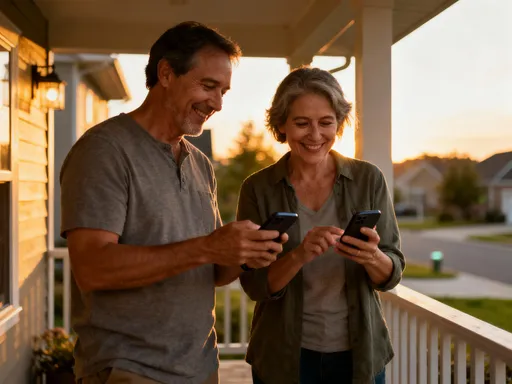
I first heard about smart plugs from a friend at a PTA meeting. She mentioned turning off her coffee maker from bed. I laughed—sounded like something out of a sci-fi movie. But when she showed me her phone, with little icons of lamps and appliances she could toggle with a tap, something clicked. “It’s just a plug,” she said. “You plug it into the wall, plug your device into it, and control it from your phone. That’s it.”
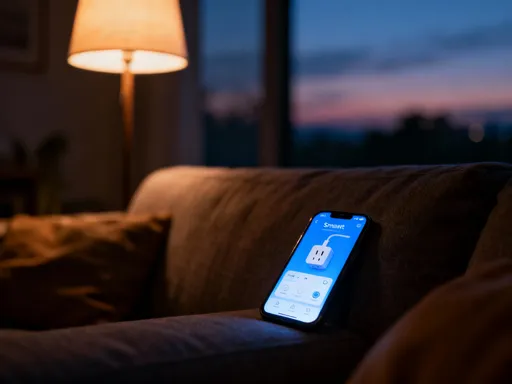
Simple. No wiring. No electrician. No confusing instructions. I bought one that weekend—just one, to test it. I plugged it into the living room outlet and connected my floor lamp to it. The setup took less than ten minutes. The app asked for my Wi-Fi password, showed a spinning circle, and then—there it was. A little switch on my screen. I tapped it. The lamp turned off. I tapped it again. It turned back on. I did it from the kitchen. From the bathroom. From my bedroom. And each time, I felt a little more in control.
The first real test came a few days later. I was at the grocery store, halfway through the produce aisle, when I suddenly remembered: Did I turn off the iron after my morning routine? My stomach dropped. But then I remembered—the iron was plugged into the smart plug. I pulled out my phone, opened the app, and checked. The device was off. Just like that, the knot in my chest loosened. I didn’t have to drive home. I didn’t have to panic. I *knew*. And that knowing? It felt like a gift.
This wasn’t about being a tech expert. It wasn’t about having the fanciest gadgets. It was about being a real person with a full life who just wanted to stop worrying about the little things. And for the first time, I realized: technology didn’t have to be complicated to be powerful. Sometimes, the smallest tools make the biggest difference.
How Real-Time Monitoring Brought Clarity to My Home
After that first win, I started paying attention to what else the app could do. It wasn’t just an on-off switch. It showed me how much energy each device was using—translated into dollars and cents, not confusing kilowatt-hours. That made all the difference. Suddenly, I wasn’t guessing how much the old coffee maker cost to run. I could see it: $0.18 every time it heated up, and it was cycling on and off all morning. Over a month? That added up to over $5—just for keeping the pot warm.
Then there was the TV setup. I always thought we turned everything off, but the app showed the soundbar and gaming console were still drawing power overnight. “Phantom load,” the app called it. Not much per day, but over weeks? It was like leaving a light on in an empty room 24/7. I didn’t realize how many devices were quietly sipping electricity when we thought they were asleep.
One evening, I sat with my daughter and showed her the screen. “See this?” I said, pointing to the graph. “This is how much we’re using right now. And this little spike? That’s the microwave.” Her eyes widened. “So we’re using money *right now*?” she asked. I nodded. We made a game of it—finding the “energy hogs” and turning them off. She started reminding me to check the app before bed. It turned into a quiet moment of connection, not just data.
The real change wasn’t in the numbers—it was in the mindset. I stopped thinking of energy as an abstract monthly bill and started seeing it as part of our daily choices. And with that awareness came power. Not the kind that makes you feel guilty for using appliances, but the kind that helps you make smarter, more intentional decisions—without effort.
Building a Calmer, More Connected Evening Routine
Before the smart plug, our bedtime routine included a final walk-through: lights off, chargers unplugged, outlets checked. It took ten minutes, and someone always forgot something. Now, we have a new ritual. Right after the kids’ books are read and the goodnight hugs are given, I open the app and tap “Goodnight.” With one command, five devices turn off: the living room lamp, the hallway heater, the TV sound system, the kitchen coffee maker, and my daughter’s nightlight charger.
It’s become a family moment. My son jokes, “Lights out, Mom!” as he runs to his room. My daughter says, “Did you get the curling iron?” I smile and show her the screen. “All clear.” There’s a comfort in that shared certainty. No more second-guessing. No more last-minute dashes back to the kitchen. Just a quiet, intentional pause before sleep.
Even my teenager got on board. One night, I texted her after she left for a friend’s house: “Did you unplug your charger?” She replied instantly: “Mom, relax—I used the app!” I laughed. But more than that, I felt proud. She wasn’t just using the tool. She was learning responsibility in a way that felt natural, not forced. It wasn’t me nagging her to unplug things. It was her choosing to take control.
This tiny shift didn’t just save energy. It saved time. It saved arguments. It saved the mental clutter of remembering every little thing. And in its place, we gained a sense of calm, of order, of being present. Because when you’re not worried about what you might have left on, you can actually enjoy the moment you’re in.
Saving Money Without Sacrificing Comfort
I’ll be honest—I used to think saving energy meant living with less. Turning off the lights too early. Unplugging the Wi-Fi router at night. Wearing sweaters in the house when it wasn’t that cold. I didn’t want to sacrifice comfort for savings. But the smart plug taught me something surprising: you don’t have to.
I still keep the porch light on until midnight. I leave the hallway nightlight on for the kids. The router stays powered. But the things that don’t need to run? The coffee maker after 9 AM. The TV accessories after 10 PM. The space heater once the house warms up. Those are the ones I control. And because I can see the impact, I know I’m not overdoing it.
When the next electricity bill arrived, I braced myself. But instead of the usual $140, it was $118. No lifestyle changes. No cold showers. No unplugging the fridge. Just smarter use. I showed it to my husband, and he shook his head. “All from one little plug?” I nodded. “And the habits it helped us build.”
What surprised me most wasn’t the dollar amount. It was the feeling. I didn’t feel deprived. I felt empowered. Like I was finally making choices instead of just reacting. And that made all the difference. Comfort wasn’t lost—it was redefined. True comfort isn’t just warmth or light. It’s knowing you’re not wasting, not risking, not carrying that invisible weight.
A Little Tech, A Lot of Freedom
Looking back, I realize the smart plug did more than turn off appliances. It turned off my anxiety. It gave me back mental space—the kind I didn’t even know I’d lost. Before, my mind was always half on the house, even when I was at work, at dinner, at a friend’s house. Now, I can be fully present. I can focus on the conversation, enjoy the meal, relax into the evening—because I know my home is taken care of.
That sense of control spilled over into other parts of my life. I started looking for other small tools that could make daily tasks easier. A smart thermostat that learns our schedule. A robot vacuum that runs while I’m at the gym. None of them are flashy. None require me to become a tech guru. But each one gives me back time, energy, and peace.
And that’s the real benefit: freedom. Not freedom from technology, but freedom *through* it. The kind that lets you breathe deeper, sleep easier, and enjoy the people and moments that matter most. Because when the little things are handled, the big things—family, joy, rest—can finally take center stage.
Why This Isn’t Just About Electricity—It’s About Living Better
This journey started with a curling iron and a fear of fire. But it led me somewhere much deeper. It led me to a quieter mind, a more connected family, and a home that feels truly safe and intentional. The smart plug wasn’t just about saving energy. It was about reclaiming control. About replacing worry with confidence. About turning chaos into calm—one tap at a time.
Because here’s the truth: we don’t need more gadgets. We don’t need to automate every corner of our lives. We just need a few smart tools that align with how we actually live. Tools that don’t add complexity, but reduce it. That don’t demand our attention, but give it back.
True comfort isn’t found in perfect silence or spotless floors. It’s found in knowing. Knowing your home is safe. Knowing your bills are fair. Knowing you’re not wasting resources—or your own mental energy. That peace of mind? It’s priceless. And it’s within reach.
So if you’re still walking through the house at night, checking every outlet, second-guessing every switch—stop. Try one small change. Get one smart plug. Plug in your lamp, your coffee maker, your heater—whatever gives you the most worry. Connect it. Control it. Watch what happens.
You might just find, like I did, that a little technology can bring a lot of peace. And that the calmest evenings don’t come from doing more—but from knowing, finally, that everything is exactly as it should be.