Tired of Losing Your Phone’s Data During Returns? Here’s How to Protect What Matters Most
You’ve charged your phone, packed it carefully, and sent it back for repair—only to realize too late that your photos, messages, and personal files are gone. We’ve all been there. Returning a device shouldn’t mean losing pieces of your life. As someone who once lost years of memories in a rushed exchange, I’ve learned the hard way how to protect what truly matters. Let’s walk through simple, smart steps that keep your data safe—and your mind at ease—every time you hand over your tech.
The Heartbreak of a Wiped Device
I still remember the exact moment I opened the box and saw my phone staring back at me—powered on, shiny, and completely empty. It had come back from a screen repair, just as promised. But everything that made it mine was gone. No baby’s first steps. No beach sunset from our family vacation. No text threads with my sister during tough times. Just a blank home screen and a sinking feeling in my chest. That phone wasn’t just a gadget; it was a memory vault. And in one careless exchange, I’d lost years of life.
Maybe you’ve felt this too. Or maybe you’re reading this hoping to avoid it. Either way, you’re not alone. So many of us treat phone returns like returning a pair of shoes—simple, routine, no big deal. But unlike a pair of sneakers, your phone holds your world. Your calendar, your photos, your notes, your voice memos—these aren’t just digital files. They’re pieces of your story. And when a repair or return wipes them clean, it’s not just inconvenient. It’s heartbreaking.
What made it worse was that no one warned me. Not the technician. Not the support agent. Not even the return slip mentioned data loss. I assumed they’d back up my info or at least leave it untouched. But that’s not how most repair systems work. They reset. They erase. They prioritize speed over sentiment. And I paid the price in tears and regret. That experience changed everything for me. Now, I treat every device return like a potential data emergency. And I want you to do the same—because your memories are worth protecting.
Why Return Processes Often Overlook Your Data
Here’s the truth: most companies aren’t trying to hurt your feelings. They’re just built for efficiency, not emotion. When you send in a phone for repair, the team on the other end is focused on fixing hardware—replacing screens, batteries, ports. They’re not thinking about your vacation photos or your daughter’s birthday video. From their perspective, your device is a machine, not a memory box. And that mindset leads to a standard procedure: factory reset.
A factory reset wipes your phone clean, restoring it to the state it was in when you first took it out of the box. It’s meant to remove personal clutter, ensure privacy, and make diagnostics easier. But here’s the catch—this reset often happens without warning, especially if the repair involves the motherboard or software updates. Even if you didn’t request it, even if you thought your data was safe, that reset can happen in seconds. And once it’s gone, it’s usually gone for good.
Why don’t customer service teams always mention this? Sometimes it’s oversight. Other times, it’s assumed you already backed up your data. But let’s be honest—most of us don’t. We’re busy. We trust the process. We click “ship now” without reading the fine print. And by the time we realize what happened, it’s too late. I’ve spoken with others who’ve gone through the same thing—mothers who lost baby photos, retirees who lost years of journal entries, people who lost messages from loved ones who’ve since passed. These aren’t just tech mistakes. They’re emotional wounds.
The takeaway? Don’t assume. Don’t trust. Verify. Your phone is personal. Your data is precious. And no repair process should ever catch you off guard again.
The First Step: Back Up Like You Mean It
If there’s one thing I could tell my past self, it’s this: back up like you mean it. Not “I’ll do it later.” Not “I think it’s done.” But actually do it—consistently, carefully, and with real intention. Backing up isn’t just a tech chore. It’s an act of self-care. It’s saying, “My memories matter. My time matters. And I’m not willing to lose them to a glitch or a careless reset.”
Good news: backing up doesn’t have to be hard. You don’t need to be a tech genius. Most phones today make it simple—especially if you let automation do the work. Take iCloud, for example. If you have an iPhone, turning on iCloud Backup is one of the easiest things you can do. Go to Settings, tap your name, then iCloud, then iCloud Backup. Flip the switch. Now, every time your phone is locked, plugged in, and connected to Wi-Fi, it backs up automatically. No effort. No reminders. Just peace of mind.
Android users have similar options. Google One offers automatic backups for photos, apps, messages, and settings. Just go to your Google account settings, check Backup, and make sure it’s turned on. You can even choose what gets backed up and how often. The key is to set it and forget it—so it happens without you having to remember.
But here’s what most people miss: backing up to the cloud isn’t enough. What if the cloud fails? What if your account gets locked? That’s why I also recommend a physical backup—something you can hold in your hand. Use a trusted external drive and back up your phone to your computer. On a Mac, iCloud or Finder can do this. On a PC, Android File Transfer or Windows File History works well. Do this once a month, or before any big life event—like a trip or a family gathering. That way, even if the cloud disappears, you’ve got a copy safe at home.
And don’t just assume it worked. Once a backup is done, check it. Open your iCloud or Google account on a computer. Look at the backup date. Scroll through your photos. Make sure your messages are there. A quick five-minute check can save you months of regret. Backing up isn’t about perfection. It’s about protection. And when you do it right, you’ll never have to panic before a return again.
Secure What You Can’t Back Up
Now, let’s talk about the stuff that doesn’t back up easily—the invisible threads that hold your digital life together. Things like two-factor authentication codes, app logins, and banking tokens. These aren’t stored in iCloud or Google Drive. They live on your device. And if you hand over your phone without planning, you could lock yourself out of accounts—or worse, leave them vulnerable.
I learned this the hard way when I returned a tablet and suddenly couldn’t access my email. Why? Because my authenticator app was on that device. No codes, no access. It took me hours to recover, calling customer support, answering security questions, and feeling totally helpless. That’s why I now have a simple rule: before I let go of any device, I secure what can’t be backed up.
Start with your password manager. If you use one—like LastPass, 1Password, or Apple Keychain—make sure it’s updated and synced across your devices. That way, even if your phone is gone, your passwords are safe. If you don’t use a password manager, now’s the time to start. It’s like a digital safe for all your logins, and it syncs across your devices so you’re never locked out.
Next, handle two-factor authentication. If you use apps like Google Authenticator or Authy, move those accounts to a device you’ll keep. Authy, for example, lets you sync across devices with encryption. Google Authenticator now allows backups if you enable them. Or, print out recovery codes for critical accounts—email, banking, social media—and store them in a secure place at home. I keep mine in a locked drawer with my important papers. It’s old-school, but it works.
Also, consider pausing sensitive services before a return. If you use your phone for mobile banking, payment apps, or home security systems, log out or temporarily disable access. You don’t want someone resetting your password or accessing your accounts during repair. Most companies won’t do this, but it only takes one bad actor. Better safe than sorry.
These steps might feel like overkill now, but when you’re holding a blank phone and can’t get into your email, you’ll wish you’d done them. Protecting your data isn’t just about saving photos. It’s about keeping your entire digital life intact.
What to Do Right Before You Ship It
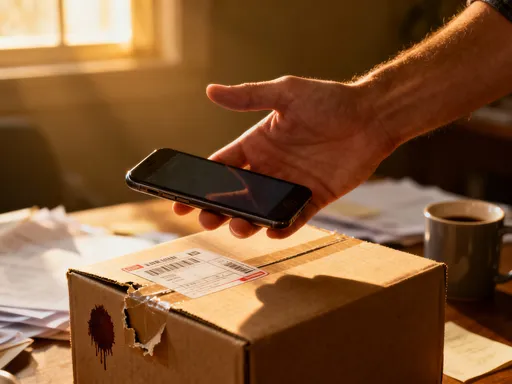
The day has come. Your phone is packed. The label is printed. But before you drop it in the mail, there are a few last things to do. These final steps are like a pre-flight checklist—they don’t take long, but they prevent disasters.
First, log out of your accounts. Don’t just close the apps. Actually sign out. Go to your email, social media, cloud storage, and any other service that remembers your login. Tap “Sign Out” or “Log Out.” This stops anyone from opening your inbox or scrolling through your photos if the device is accessed during repair. It’s a small step, but it adds a layer of privacy.
Next, remove your SIM and SD cards. Your SIM card holds your phone number and carrier info. Your SD card, if you have one, might store photos, videos, or documents. These cards aren’t always protected by your phone’s lock screen, and they’re easy to access. Take them out and keep them with you. You can pop them into your backup phone or store them safely at home.
Then, turn on remote tracking. Both iPhone and Android have built-in tools—Find My iPhone and Find My Device—that let you locate, lock, or erase your phone remotely. Make sure it’s active before you ship. That way, if the package gets lost or the phone goes missing, you can track it, lock it, or wipe it from afar. It’s like having a digital watchdog.
Finally, take a photo of your phone’s serial number and IMEI. You can find this in Settings under “About Phone” or by dialing *#06#. Save the photo to your cloud or email it to yourself. This number is your device’s fingerprint. If anything goes wrong, you’ll need it to prove ownership or report issues.
I once skipped this step and regretted it. My phone was delayed in shipping, and when I contacted support, they asked for the IMEI. I had to scramble to find it. Now, I keep a document with all my device info—just in case. These small actions don’t take much time, but they give you control, clarity, and confidence.
Communicating with Support: Ask the Right Questions
Let’s be honest—talking to customer support can feel intimidating. You’re worried about sounding demanding or not being taken seriously. But when it comes to your data, you have every right to speak up. The way you ask questions can make all the difference in how your request is handled.
Instead of saying, “Can you back up my data?”—which often gets a “no, we don’t do that” response—try this: “I need my personal data preserved during the repair. What steps do you take to protect user information?” This shifts the conversation from a request to an expectation. It tells the agent that data safety is non-negotiable for you.
You can also ask, “Will my device be factory reset during the repair?” If they say yes, follow up with, “Is there a way to avoid that? I have irreplaceable photos and messages.” Most companies won’t back up your data for you, but some high-end services or premium plans offer data preservation options. It’s worth asking.
Also, document everything. Take screenshots of your chat or save email threads. If you speak to someone on the phone, note the date, time, and agent name. This creates a paper trail in case something goes wrong. I once had a repair center claim they didn’t receive my phone—until I showed them the shipping confirmation and support chat where I’d mentioned my IMEI. Suddenly, it “showed up.”
And don’t be afraid to repeat yourself. If the first agent says no, ask to speak with a supervisor. Calmly explain why your data matters. Share that you’re concerned about losing family memories. Most people respond to real emotion. They’re human too. When you speak from the heart, you’re more likely to get a compassionate response.
Remember: you’re not being difficult. You’re being responsible. Your data is yours. And you have every right to protect it.
After the Return: Rebuilding with Confidence
The box arrives. Your phone is back. You power it on, heart racing. This is the moment of truth. Did your backup work? Are your photos there? Can you get back into your accounts?
First, don’t rush. Take a deep breath. Even if the phone looks empty, your data might still be recoverable. If you backed up to iCloud or Google, the setup process should prompt you to restore from a backup. Choose that option. Let the phone download everything. It might take a while, depending on how much data you have, but patience pays off.
Once it’s done, verify everything. Open your photo library. Scroll through the dates. Check your messages. Make sure your contacts are back. Open your email and banking apps—do they still recognize you? If two-factor authentication is required, use your printed recovery codes or your backup authenticator app.
If something’s missing, don’t panic. First, check your cloud account on a computer. Sometimes data takes time to sync. If it’s still gone, contact support with your backup proof and IMEI. Be calm, clear, and firm. Most issues can be resolved if you have documentation.
Finally, run a security check. Change passwords for sensitive accounts, especially if you logged out or used a new device. Make sure Find My iPhone or Find My Device is still active. Update your software to the latest version—security patches matter.
This post-return phase isn’t just about fixing things. It’s about closing the loop. You’ve protected your data, survived the process, and come out stronger. Each return will feel easier, faster, and safer—because you now know the steps that work.
Returning a device doesn’t have to mean losing a part of yourself. With a few thoughtful steps, you can protect your memories, your identity, and your peace of mind. Technology should serve you—not leave you vulnerable. By treating every return as a chance to practice care, you’re not just saving files; you’re honoring the life your phone holds. You’ve got this—and your future self will thank you.