Why Are You Still Losing Things at Home When Your Cabinets Could Remember Everything?
Imagine never misplacing your keys, forgetting where you stored holiday decorations, or wasting time digging through drawers. What if your kitchen cabinets knew what was inside them—and could tell you? Smart storage systems are no longer just about organization; they’re evolving into intuitive partners in daily life. With built-in progress tracking, they learn your habits, show you what you’ve used, and help you stay on top of clutter. This isn’t futuristic fantasy—it’s real, simple, and already making homes calmer, smarter, and more in sync with how we actually live.
The Daily Chaos No One Talks About
Let’s be honest—how many times this week have you opened a drawer, pulled everything out, only to find what you were looking for was in the last place you checked? Or worse, not found it at all? You’re not alone. Most of us deal with this kind of quiet chaos every single day. It’s not dramatic, but it wears you down. Think about the last time your child’s favorite toy stopped working because the batteries died—and you couldn’t find the spare ones. Or when you opened the spice cabinet to cook dinner and realized the paprika you bought just last month has vanished into the back corner, forgotten and untouched.
These aren’t small moments—they’re tiny stressors that pile up. And they don’t just waste time; they drain your energy. You start the day with good intentions, but by the time you’ve searched for the scissors, located the school permission slip, and figured out why the pantry smells faintly like expired nuts, you’re already exhausted. The truth is, our homes are full of things we love, but the way we store them hasn’t changed in decades. We still rely on memory, sticky notes, and hope. And that system? It’s failing us.
I remember one rainy Saturday when I was helping my daughter pack for a weekend sleepover. We were running late, of course. Her socks were mismatched, her toothbrush was missing, and the permission slip—yes, again—was nowhere to be found. I opened the same drawer three times, each time more frustrated than the last. That moment wasn’t about the lost paper. It was about feeling like I was constantly chasing things, always one step behind. And I know so many women who feel the same. We’re not disorganized by nature—we’re just using tools from a different era.
What Smart Storage Really Means Today
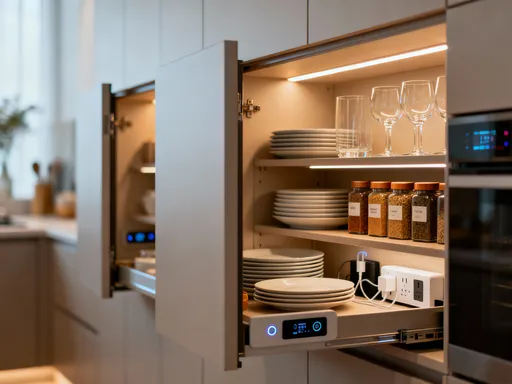
When you hear the word “smart,” you might picture complicated apps, blinking lights, or voice assistants asking you if you’re sure. But real smart storage today isn’t flashy or demanding. It’s quiet, simple, and built to blend into your life—not take over. Think of it like a kitchen cabinet that quietly knows what’s inside, or a drawer that gently reminds you where you left your reading glasses. These systems use lightweight technology—like small weight sensors, motion detectors, or tiny RFID tags—to track what goes in and out.
Here’s how it works, without the tech jargon: imagine your spice rack has a thin sensor under each jar. When you take out the cumin for your chili, the system notices. Not because it’s watching you, but because it feels the change in weight. Over time, it starts to recognize patterns—like how you use cinnamon more in winter, or how you’ve reached for the garlic powder every Tuesday night. It doesn’t need a camera. It doesn’t record your voice. It just pays attention to what’s there and what’s missing.
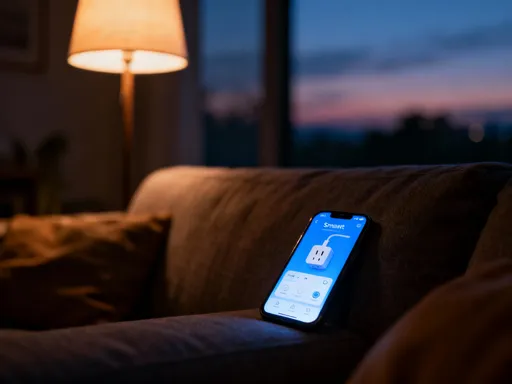
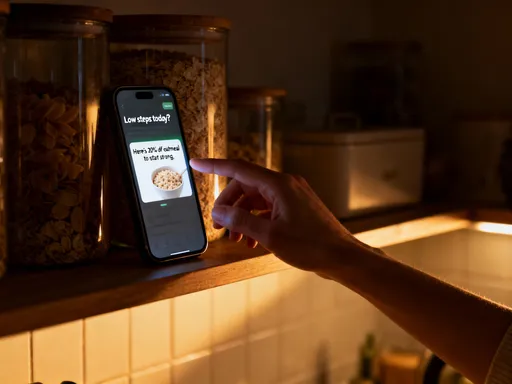
The beauty is in how invisible it feels. You don’t need to open an app every time you grab a snack. Instead, your phone might send a gentle notification: “You’re running low on olive oil,” or “The batteries in the flashlight were last replaced two years ago.” These aren’t commands—they’re friendly nudges, like a note from your future self. And the best part? You don’t have to reorganize your entire home. You can start with one drawer, one shelf, one corner of your life.
Smart storage isn’t about turning your house into a lab. It’s about making your home work for you, not the other way around. It’s the difference between searching and knowing. Between guessing and being sure. And for busy women who are already managing so much—kids, meals, schedules, aging parents—this kind of quiet support can feel like a deep breath after holding it for too long.
Progress Tracking: The Hidden Superpower
Most people think smart storage is just about finding things. But the real magic happens in the background—through progress tracking. This is where your cabinets go from being helpful to being truly insightful. Imagine opening your pantry app and seeing a simple chart: “You’ve used almond milk 4 times this week, but the oat milk hasn’t been touched since January.” Or getting a reminder that your mom’s blood pressure medication bottle hasn’t been opened in two days—just a quiet alert to check in.
That’s the power of pattern recognition. These systems don’t just track items—they learn how you live. Over time, they notice what you use, when you use it, and what you forget. This isn’t about judgment. It’s about awareness. For families, this can be life-changing. One mom I spoke with told me how her smart pantry helped her realize her teenage son was skipping breakfast. The cereal box hadn’t been opened all week. She didn’t confront him with anger—she just started leaving smoothie ingredients out in the morning. Small change, big impact.
Progress tracking also helps with health and wellness. If you’re trying to drink more water, your fridge can remind you how many bottles you’ve finished each day. If you’re managing supplements, your bathroom cabinet can track when you take them—and send a soft reminder if you miss a dose. It’s not about perfection. It’s about support. And for women who are often the caregivers, this kind of gentle accountability can help you care for yourself, too.
Even seasonal habits become easier to manage. Your holiday decorations drawer can remind you what you used last year—so you don’t buy the same string of lights again. Your winter coat closet can note when you last wore your gloves, so you know whether to pack them away or keep them handy. These systems don’t make decisions for you. They just give you the information you need to make better ones—without the mental load.
How It Changes Family Life—One Habit at a Time
Let’s talk about the real test: family life. How many arguments have started over something as simple as “I thought you bought milk”? Or “You said you’d put the charger back”? These aren’t big fights, but they chip away at peace. Smart storage doesn’t fix relationships—but it can remove some of the friction. When everyone has access to the same information, there’s less blame and more teamwork.
Take meal planning. Instead of guessing what’s in the fridge or writing a grocery list from memory, your family can check the pantry app together. “We still have pasta, but we’re out of sauce,” or “We haven’t used the frozen broccoli—let’s add it to Tuesday’s dinner.” It turns planning into a shared moment, not a chore. One family I know started having Sunday evening check-ins with their smart kitchen—they call it “The Cabinet Chat.” It’s become a sweet ritual, a way to connect before the week begins.
For kids, it’s a gentle way to teach responsibility. A bathroom cabinet can send a reminder to a teenager: “Your hand cream is running low—time to refill?” Not a lecture. Not a nag. Just a nudge. Over time, they start to internalize these habits. One mom shared that her daughter now checks the app before asking for new supplies. “She says, ‘Let me see what we have first,’” she told me, laughing. That’s the kind of independence we all hope to raise.
And for aging parents, smart storage offers peace of mind. If your mom lives alone, a medicine cabinet that tracks usage can alert you if something’s off—without making her feel watched. It’s not surveillance. It’s care. It’s the difference between worrying and knowing. And for women who are sandwiched between kids and parents, that kind of reassurance is priceless.
Setting It Up Without the Stress
I know what you’re thinking: “This sounds great, but I don’t want to spend hours setting it up or learning a new system.” And you don’t have to. The key is to start small—really small. Pick one area that drives you crazy. Is it the junk drawer by the door? The spice cabinet? The closet where you store holiday gifts? That’s your starting point.
Most smart storage systems today are designed for real life. You don’t need to be tech-savvy. Many come as retrofit kits—you just slide sensors into existing drawers or shelves. Some use smart bins that fit inside your current cabinets. You sync them with your phone or tablet, usually through a simple app. No wiring. No drilling. No frustration.
Once it’s set up, you customize it your way. Decide what kind of alerts you want—email, text, or app notification. Choose which family members can see what. You’re in control. And if you change your mind? You can adjust it anytime. The goal isn’t to turn your home into a smart fortress. It’s to make one part of your day a little easier.
One woman I spoke with started with her entryway drawer—where she always lost her keys and sunglasses. She installed a small sensor tray that lights up when she opens the drawer, showing her exactly where each item is. “It took ten minutes to set up,” she said. “And now I haven’t lost my keys once.” That’s the power of starting small. You don’t have to do everything at once. You just have to start.
Privacy, Simplicity, and Peace of Mind
Of course, with any technology that “knows” things about you, privacy is a real concern. And it should be. You don’t want your cabinets spying on you. The good news? Most smart storage systems are designed with privacy in mind. They don’t record video. They don’t listen to conversations. They don’t send your data to unknown servers.
Many systems store information locally—on your home network, not in the cloud. That means your spice usage or medicine habits stay in your house. The data is encrypted, password-protected, and only accessible to people you invite. You’re not trading convenience for safety. You’re getting both.
And the alerts? They’re simple, not intrusive. No pop-ups during dinner. No constant pings. Just quiet, useful information when you need it. This isn’t about being monitored. It’s about being supported. Think of it like a trusted friend who knows your habits and offers help—only it’s your kitchen, not a person.
For women who carry so much mentally, this kind of quiet, reliable support can be deeply comforting. You don’t have to remember everything. You don’t have to keep track of every little thing. Your home can help. And that shift—from carrying the load to sharing it—can feel like a weight lifting off your shoulders.
A Smarter Home That Feels Like Home
At the end of the day, smart storage isn’t about cold efficiency or high-tech perfection. It’s about warmth. It’s about creating a home that helps you breathe easier, move slower, and connect more. It’s about giving you back time—time to read to your kids, time to call a friend, time to just sit with a cup of tea without rushing to the next thing.
Your home should be your sanctuary, not a place of constant searching and stress. And now, with smart storage, it can be. You don’t have to overhaul everything. You don’t have to become a tech expert. You just have to choose one small change—one drawer, one shelf, one habit—and let it help you.
Because progress doesn’t start with a perfect system. It starts with awareness. With knowing where your keys are. With remembering to restock the bandaids before someone gets hurt. With feeling, for once, like your home is on your side.
So ask yourself: what if your cabinets could remember everything? What would that free you up to do? To feel? To become? The answer might be closer than you think. And it might just begin with a single, quiet drawer that knows exactly where your reading glasses are.