What If Your Phone Could Help You Save on Bills—And Bring Friends Closer?
Imagine getting an alert that your electricity bill is spiking—just as your neighbor messages you about the same thing. You compare habits, swap tips, and both save 20% next month. It’s not magic. It’s everyday tech, quietly connecting us not just to data, but to each other. And it’s changing how we live, save, and support one another—right from our pockets. This isn’t about complicated gadgets or expert knowledge. It’s about simple tools that help us understand our homes better, make smarter choices, and—surprisingly—grow closer to the people around us. I never thought my phone could help me save money *and* deepen friendships. But it did.
The Moment I Realized My Bills Were a Social Problem
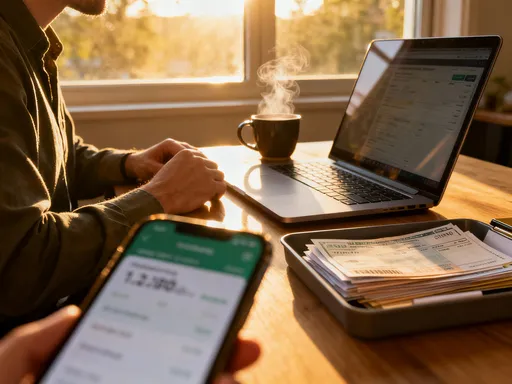
I remember opening my electricity bill last winter and feeling my stomach drop. The number was so high I thought there had to be a mistake. I called the utility company, checked my meter, even walked through the house turning off lights and unplugging devices. Nothing seemed out of place. I felt embarrassed, stressed, and completely alone. Like I must be doing something wrong while everyone else had it figured out. Then, over coffee with my friend Lisa, I mentioned it casually. 'Ugh, my electric bill was insane this month,' I said, half-joking. Her face lit up—not with judgment, but with relief. 'Oh my gosh,' she said, 'mine too! I thought it was just me.'
That moment changed everything. We weren’t failing. We were facing the same rising costs, seasonal spikes, and confusing billing cycles that so many of us deal with. But because we never talked about it, we each carried the stress in silence. What started as a complaint turned into a conversation—about thermostat settings, laundry schedules, and whether leaving the TV on standby really added up. We laughed, we compared notes, and within a week, we started sharing weekly updates through a simple group chat. That’s when I realized: our bills weren’t just personal problems. They were shared experiences, and they could become shared solutions. Technology didn’t create this connection, but it made it easier to maintain. A quick text, a shared screenshot, a reminder about peak hours—small things that added up to real support.
From Data to Dialogue: How Smart Apps Connect Us
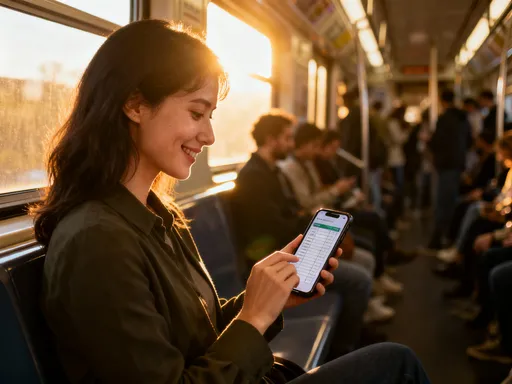
Here’s the thing about most utility bills—they arrive late, show a total, and offer no explanation. By the time you see the number, the damage is done. But now, there are apps that change that. These aren’t complicated systems for tech experts. They’re designed for people like us—busy, caring, trying to do our best. Many utility providers now offer free mobile apps that show your energy or water usage in real time. You can see how much power you’re using hour by hour, day by day. Some even send alerts when your usage jumps unexpectedly—like if your heater kicks on during a warm spell or your fridge starts running too long.
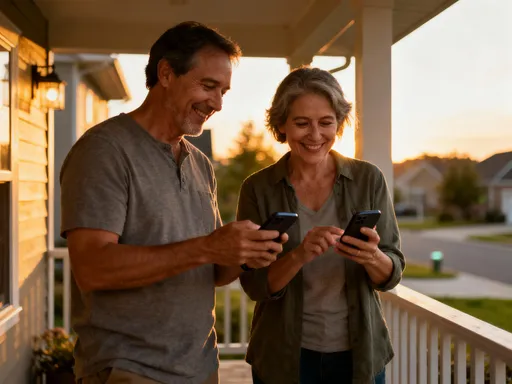
But the real magic happens when you start sharing that data. I showed Lisa my app one evening, pointing out a spike on Tuesday afternoon. 'That’s when I ran three loads of laundry and baked cookies for the school bake sale,' I said. She laughed and pulled up her own chart. 'Look—mine spiked the same day! I had the oven on all afternoon too.' Suddenly, those numbers weren’t just statistics. They were stories. And those stories became conversation starters. We began sending each other little updates—'Heads up, I’m running the dishwasher tonight at 8—how about you?' or 'I turned the thermostat down to 68—bet you can’t beat that!' The app didn’t just help us track energy. It gave us a reason to talk, to care, to cheer each other on. It turned something stressful into something fun—a shared mission instead of a private burden.
The Ripple Effect of Small Changes—Together
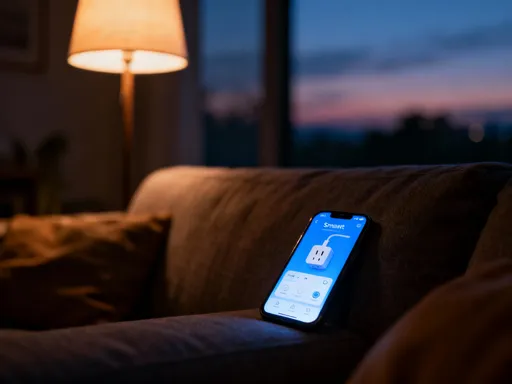
Once Lisa and I started paying attention, we noticed how small choices added up. Running the dishwasher at night instead of during the day. Washing clothes in cold water. Turning off lights when we left a room. None of these were huge sacrifices, but over time, they made a difference. Then we invited two more neighbors into our group chat. We called it 'The Bill Watchers.' At first, it was just a joke. But soon, we were sharing tips, celebrating wins, and holding each other accountable. One of us discovered that delaying the dishwasher by two hours during peak pricing saved almost $10 a month. Another found that using a smart plug to turn off the coffee maker after 9 a.m. cut phantom energy use.
But the most surprising thing? How one person’s action inspired others. When Maria started air-drying her clothes instead of using the dryer, she posted a photo of her indoor rack with the caption, 'Feeling fancy with my European laundry method!' We all laughed, but then two of us tried it too. When David adjusted his thermostat schedule and saw a 15% drop in his bill, he shared his settings with the group. We copied them, tweaked them, and most of us saw similar results. What started as individual efforts became a collective habit. Our neighborhood didn’t just save money—we started paying attention to each other. We noticed who was home, who was traveling, who needed help. One evening, I saw that Lisa’s energy use was unusually high for a weekday. I texted her: 'Everything okay? Your usage is up.' She replied, 'Oh no—the garage door was stuck open all day! Thanks for catching that!' That’s when it hit me: we weren’t just saving money. We were looking out for each other.
Tech That Feels Human: Designing for Connection
Not all apps are created equal. Some are clunky, full of confusing graphs and technical terms like 'kWh' and 'demand charges' that make you want to close the screen and walk away. But the best ones? They feel like they were made for real life. They use simple language, clear visuals, and—most importantly—they’re built with sharing in mind. The app my utility offers lets me generate a one-tap report with my weekly usage. I can send it to a friend with a single click. It even includes a little message like, 'I saved 12% this week—can you beat that?' with a smiling sun emoji.
Another feature I love is the 'People Like You' comparison. It shows how my home’s energy use stacks up against similar households in my area—same size, same number of people. No names, no judgment—just anonymous data that helps me see where I stand. When I first saw that I was in the top 20% for usage, I wasn’t embarrassed. I was motivated. And when I dropped to the middle range a few months later, the app celebrated it with confetti and a 'Great job!' message. I shared that screenshot with the group, and we all cheered. Some apps even have opt-in leaderboards—fun, low-pressure rankings where you can see how your circle is doing. It’s not about winning. It’s about belonging. These small design choices—emojis, friendly messages, easy sharing—make a big difference. They turn a utility tool into a social experience. They remind us that we’re not just managing energy. We’re part of a community.
Growing Friendships Through Common Goals
I used to think of saving energy as a solo mission—something I did quietly, alone, hoping it would add up. But now, I see it differently. Sharing this journey has brought me closer to people in ways I didn’t expect. Take the school parent group chat. It started with carpool schedules and birthday party invites. Now, it’s also a place where we compare water bills after dry summers or swap tips on reducing waste. One mom started a 'No Plastic July' challenge, and half the group joined. We shared photos of reusable containers, celebrated when someone found a zero-waste grocery store, and laughed when one of us accidentally bought plastic-wrapped cucumbers.
Or consider my cousin and her roommates. They weren’t close when they first moved in. But when they started using a shared app to track their combined electric bill, things changed. They set a goal to reduce usage by 10% in three months. They made it a game—turning off lights became a nightly ritual, with whoever remembered getting a point. They even created a little reward system: if they hit their goal, they’d use half the savings for a group dinner. They made it—and the dinner was more than a celebration. It was a moment of connection. They weren’t just roommates anymore. They were a team. These stories aren’t about extreme frugality or perfect eco-living. They’re about using small, everyday tools to build trust, teamwork, and a sense of belonging. Technology didn’t create these relationships. But it gave them a starting point—a common goal, a shared language, a reason to check in.
Starting Your Own Circle: Simple Steps to Begin
You don’t need a big group or fancy tools to start. In fact, the easiest way is to begin with just one person. Think of someone you already talk to—your neighbor, your sister, your coworker. Next time you’re chatting, bring it up casually. 'Did you see your electric bill this month? Mine was kind of high—I’m trying to figure out why.' See how they respond. If they’re interested, suggest sharing weekly updates. You don’t even need an app at first. A simple text with your meter reading or bill total works.
Once you have a few people, consider using a free app your utility offers. Most are easy to set up and don’t require new devices. If your provider doesn’t have one, there are third-party apps that let you manually log usage or set reminders. The key is to keep it light and positive. Set low-pressure goals—like 'Let’s both try turning off lights when we leave the house this week' or 'Who can run the dishwasher the latest at night?' Make it fun with themed challenges: 'Lowest Bill July,' 'No-Waste Week,' or 'Thermostat Challenge.' Schedule a monthly check-in—over coffee, on a walk, or in a quick group text. Celebrate wins, no matter how small. 'I remembered to unplug the iron!' or 'I hung my clothes to dry!' deserve a little cheer. And remember—this isn’t about perfection. It’s about progress, together. If someone slips up, laugh it off. 'Oops, I left the porch light on all night—your turn to call me out next time!'
A Smarter, Warmer Future: Where Saving Meets Belonging
When I first got that high electricity bill, I saw it as a failure. Now, I see it as the start of something better. Because of that moment, I have stronger friendships, lower bills, and a greater sense of control over my home. But more than that, I feel connected. I’m not just managing my household. I’m part of a circle of people who care—not just about saving money, but about looking out for each other. Technology made it easier to start, but the real value is human. It’s in the texts, the laughs, the shared pride when someone hits a goal. It’s in knowing you’re not alone.
This isn’t just about cutting costs. It’s about building resilience—one small choice at a time. It’s about teaching our kids that caring for our homes also means caring for our communities. And it’s about redefining what progress looks like. Yes, we can measure it in kilowatt-hours saved or dollars reduced. But we can also measure it in messages exchanged, friendships deepened, and moments of support. The future of smart living isn’t just efficient appliances and automated systems. It’s warm, human, and close at hand. It’s not about replacing connection with technology. It’s about using technology to make real connection easier, more meaningful, and more possible than ever. So go ahead—check your bill, open the app, send that text. You might just save money. But you might also find something even more valuable: a little more belonging, right where you are.