From Overwhelmed to In Control: How Online Videos Finally Fit Into My Real Life
You know that feeling—scrolling through videos late at night, vowing to watch “just one more,” only to realize you’ve lost an hour? I used to miss family dinners, delay chores, and feel guilty about my screen time. But everything changed when I stopped fighting my habits and started designing my day around them. It’s not about watching less—it’s about watching better. Let me show you how online videos, often seen as time thieves, became part of a calmer, more intentional life. What if the thing I thought was stealing my time could actually help me feel more connected, more rested, and more like myself?
The Hidden Cost of Mindless Watching
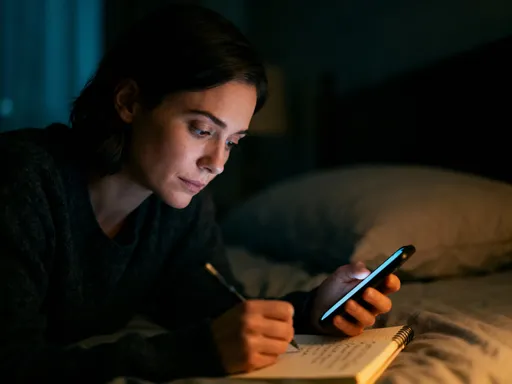
There was a time when I thought I was just relaxing. I’d sit on the couch after putting the kids to bed, open my tablet, and say, “Five minutes. Just one quick video.” But five turned into twenty. Twenty turned into an hour. And before I knew it, I was watching clips about baking techniques I’d never try or travel destinations I couldn’t afford, all while laundry piled up and my to-do list mocked me from the kitchen counter. The worst part wasn’t the lost time—it was how I felt afterward: foggy, unproductive, and strangely lonely, even in my own home.
Sound familiar? You’re not alone. Many of us use online videos as a way to unwind, but when that unwinding turns into endless scrolling, it stops being restful. Instead, it becomes a kind of emotional quicksand. We sink into it without meaning to, and suddenly, the moments we meant to spend with our families, on our hobbies, or simply resting, vanish. I remember one night when my daughter asked me to help her with a school project. I said, “Just a minute, sweetie—I’ll be right there.” But I wasn’t. I was still watching a DIY home renovation video, mesmerized by someone else’s perfectly organized pantry while mine was full of expired snacks and mismatched containers. By the time I looked up, she had gone to bed, and I missed the chance to connect.
The truth is, mindless video consumption doesn’t just take time—it takes presence. It steals our attention from the people and tasks that matter most. And the guilt that follows isn’t just about wasting time. It’s about feeling like we’re failing ourselves. We want to be present moms, organized homemakers, and thoughtful partners. But when our screens pull us in without warning, we end up feeling scattered and unsatisfied. The good news? This isn’t a personal failing. It’s a design flaw in how we use technology—one that we can fix with a little awareness and intention.
Rethinking the Role of Online Videos in Daily Life
For years, I treated video time like a guilty pleasure—something I did when I “deserved” a break, usually after I’d finished everything on my list. But that rarely happened. So instead of feeling rewarded, I felt like I was sneaking around, stealing moments I hadn’t earned. That mindset only made things worse. The more I told myself I shouldn’t watch videos, the more I craved them. It was like being stuck in a cycle of denial and indulgence, with no balance in between.
Then one day, I had a shift. I realized I didn’t need to stop watching videos—I needed to stop seeing them as the enemy. What if, instead of being a distraction, they could be a tool? A way to learn, to laugh, to recharge? After all, I wouldn’t feel guilty about reading a good book or taking a walk. Why should watching a short documentary or a calming nature video be any different? The key was intention. When I started thinking of video time not as a treat I had to earn, but as a planned part of my day—like a cup of tea or a five-minute stretch—it lost its power to derail me.
This change in perspective was everything. I began to see videos not as time wasters, but as moments of pause. A chance to reset my mind, spark an idea, or simply enjoy a laugh. I didn’t have to choose between being productive and being entertained. I could be both—if I designed my day to include both. The goal wasn’t to eliminate screen time. It was to make it meaningful. And once I gave myself permission to enjoy videos without guilt, something surprising happened: I actually started enjoying them more. They felt lighter, more satisfying, and less like a secret habit I had to hide.
The Power of Scheduling: Turning Scrolling into a Purposeful Habit
Here’s the secret no one talks about: willpower doesn’t work long-term. I used to believe that if I just tried harder, I could stop scrolling. But the truth is, willpower is like a muscle—it gets tired. And when it’s gone, we fall back on whatever’s easiest, which is usually opening that familiar app and letting the videos roll.
What did work? Scheduling. I started treating my video time like any other appointment. I set a 20-minute window after dinner, once the dishes were done and the kids were settled with their homework. That’s it. Just 20 minutes. I’d pick a playlist in advance—maybe a short TED Talk, a cooking demo, or a calming travel video—and set a timer. When the timer went off, I closed the screen and moved on. At first, it felt strange. I’d catch myself reaching for my phone during random moments, like while waiting for the kettle to boil or during a commercial break. But over time, something shifted. My brain began to expect video time at that specific moment, and it stopped demanding it at every other hour.
The beauty of scheduling is that it removes the decision. You’re not constantly asking, “Should I watch something now?” or “Have I had enough?” You already decided—during the day, when you were thinking clearly. That’s when you’re in control, not in the tired, emotional state of late evening. I found that by giving myself a clear boundary, I actually enjoyed the videos more. Knowing I only had 20 minutes made me pay attention. I wasn’t just passively absorbing content—I was present for it. And because I wasn’t sneaking around or feeling guilty, I felt calmer, more centered, and more in charge of my time.
Syncing Video Time with Natural Energy Cycles
One of the biggest mistakes I made was watching the wrong kind of videos at the wrong time. I’d try to wind down with fast-paced comedy clips or intense true crime stories—no wonder I couldn’t fall asleep! Then, on low-energy mornings, I’d force myself to watch educational content when my brain was still foggy from coffee. It didn’t work. I wasn’t absorbing anything, and I felt frustrated.
That’s when I started paying attention to my natural rhythms. I noticed that my energy peaks in the late morning and early afternoon, after the kids are off to school and I’ve had my second cup of tea. That’s when I save learning-focused videos—like gardening tips, home organization hacks, or language lessons. My brain is alert, and I’m more likely to remember what I see. Then, in the late afternoon, when my energy dips, I allow myself a short break with something uplifting—a funny animal compilation or a feel-good vlog. It’s not about productivity; it’s about recharging.
Evening is for winding down. Now, instead of scrolling through random content, I choose calming videos—slow walks through forests, gentle music, or quiet art tutorials. These aren’t exciting, but they’re soothing. They help me transition from the busyness of the day to the quiet of the evening. And because I’m not overstimulating my brain, I fall asleep faster and wake up feeling more rested. When you align your video choices with your energy levels, they stop being a disruption and start becoming a support. They meet you where you are, instead of pulling you further away from balance.
Creating Boundaries That Actually Work
I used to rely on self-control to stop watching. “I’ll just stop when I feel done,” I’d say. But I never did. The problem wasn’t me—it was the design of the apps. Autoplay, endless recommendations, and infinite scroll are built to keep us watching. No amount of willpower can beat a system designed to hook us.
So I changed the system. First, I turned off autoplay. That simple step made a huge difference. Now, when one video ends, the screen goes dark. I have to make a conscious choice to play the next one. That pause gives me space to ask, “Do I really want to keep watching?” Most of the time, the answer is no. I also started using playlists. Instead of letting the algorithm decide what I see, I curate my own—10 videos on baking, 5 on mindfulness, 3 on home workouts. When the playlist ends, I stop. No more “just one more.”
Another game-changer was linking video time to completed tasks. I don’t open my tablet until the kitchen is clean. That doesn’t mean I have to do everything—just one meaningful thing. It could be folding a load of laundry, calling a friend, or writing in my journal. That small win gives me a sense of accomplishment, and the video time feels earned, not stolen. Over time, this created a positive loop: I finish something, I reward myself with a short, enjoyable break, and I feel good about both. The boundaries aren’t about restriction—they’re about creating a rhythm that works with my life, not against it.
Sharing the Screen: How Videos Can Strengthen Family and Connection
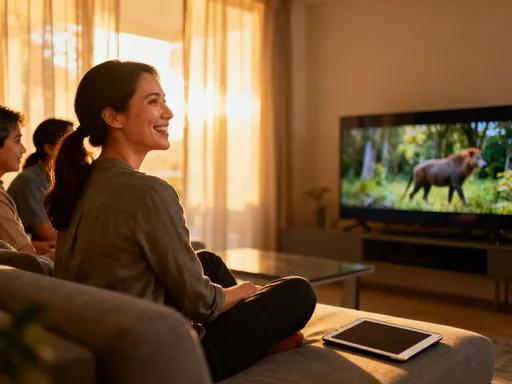
One of the most beautiful shifts happened when I stopped seeing videos as a solo activity and started using them to connect. I began inviting my family into the experience. On Sunday evenings, we have “video night.” We pick something together—a nature documentary, a classic movie, or a fun cooking show. We make popcorn, turn off our phones, and watch as a family. It’s become one of our favorite rituals. We talk about what we see, laugh together, and sometimes even try out recipes we watched.
With my teenage daughter, I started watching fashion and art videos together. At first, she was skeptical. “Mom, this is my thing,” she said. But slowly, she started sharing her favorite creators with me. We’d discuss trends, colors, and creativity. What began as screen time became bonding time. Even my husband got involved—he loves history, so we started watching short historical documentaries together. It’s become our little date night, right at home.
And it’s not just about watching together. We’ve started creating our own videos too—simple ones, like a family cooking challenge or a garden tour. It’s silly, but it’s fun. We laugh at our mistakes, cheer each other on, and end up with something we can look back on. When videos are shared with intention, they stop being isolating and start becoming a bridge. They give us something to talk about, a way to learn together, and a chance to create memories—not just consume content.
Building a Sustainable Viewing Routine That Lasts
Let’s be honest—no system is perfect. Some days, I still watch longer than I planned. Some days, I forget to set a timer. And that’s okay. The goal isn’t to be flawless. It’s to be consistent, kind to myself, and willing to try again. What matters is progress, not perfection.
The routine I’ve built isn’t rigid. It bends with my life. On busy days, my video time might be just 10 minutes. On slower weekends, I might allow myself a longer stretch. The key is that it’s intentional. I’m not reacting to my mood or fatigue—I’m choosing, on purpose, how I spend my attention. And over time, that choice has given me back something priceless: a sense of control.
Today, online videos are no longer something I fear or fight. They’re part of my life, in a way that feels good. They help me learn, relax, and connect. They don’t steal my time—they enrich it. And that shift didn’t come from deleting apps or swearing off screens. It came from rethinking my relationship with technology. I stopped seeing it as something outside my life and started seeing it as a tool—one that, when used with care, can support the life I want to live.
If you’re feeling overwhelmed by your screen time, I want you to know: you’re not failing. You’re just using a tool in a way that wasn’t designed for real life. But you can change that. Start small. Pick one change—schedule your video time, turn off autoplay, watch one video with your family. See how it feels. Be patient. Be kind to yourself. And remember, it’s not about watching less. It’s about watching with purpose. When you do, you’ll find that the things you thought were stealing your joy might just become a part of it.