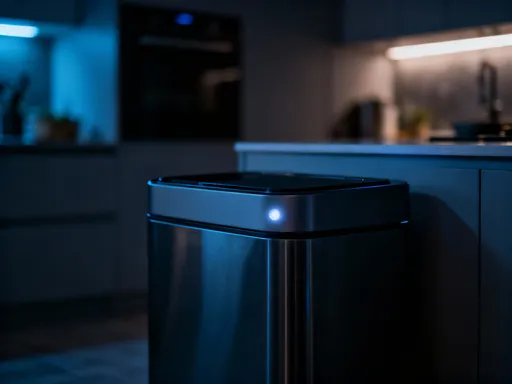
Beyond the Beep: Motion Sensors That Quiet My Worries and Keep Our Home in Sync
Living in a busy household, I used to wonder—did the kids get home safely? Did I leave the back door open again? Then I added motion detection devices, not for high-tech thrills, but for something simpler: peace. They don’t just sense movement—they bring clarity, routine, and a quiet kind of care to our days. Now, I move through life a little lighter, knowing my home is looking out for us. This isn’t about surveillance; it’s about feeling connected, even when we’re apart. It’s about that little nudge your phone gives when the front door opens, or the soft glow of the hallway light before your feet hit the floor. These aren’t flashy upgrades—they’re small, thoughtful helpers that make daily life just a bit smoother, safer, and more grounded.
The Little Worry That Started It All
It was a rainy Tuesday afternoon when it really hit me. I was standing at the sink, scrubbing potatoes, and suddenly paused—did I hear the garage door? My son had track practice, and I knew he’d be home around now. But had he made it in before the rain poured down? Was the door still open, letting in damp air and who-knows-what else? I dried my hands, walked to the garage, and yes—the door was ajar. Not wide open, just enough. And in that moment, I didn’t feel annoyed. I felt tired. Tired of the mental load of remembering every latch, every switch, every little detail that keeps a home running smoothly.
That’s the thing about being a mom, a partner, a keeper of the household—so much of our energy goes into the invisible work. We don’t just manage schedules and meals; we manage safety, comfort, and peace of mind. And sometimes, that means carrying a quiet list in our heads: Did I lock the back gate? Is the dog still in the yard? Did the babysitter let the cat in? These aren’t big emergencies, but they’re constant. They wear you down, like tiny paper cuts to your calm.
That rainy afternoon, I realized I didn’t need more willpower or better memory. I needed a little help. Not a robot, not a full smart home overhaul—just something that could take one small worry off my plate. Something that could say, “Hey, I’ve got this.” That’s when I started looking into motion sensors. Not because I wanted to turn my house into a sci-fi movie, but because I wanted to walk through my days with a little more ease. And honestly? It worked. Better than I expected.
What Motion Detection Really Does (Without the Tech Jargon)
If you’re imagining something out of a spy movie—red laser grids, dramatic alarms, secret rooms—you can relax. Most motion sensors today are more like quiet observers than security guards. They don’t watch you; they notice movement. Think of them as that thoughtful friend who quietly points out when your coat is unzipped or your back gate is swinging open. They’re not judgmental. They’re just paying attention.
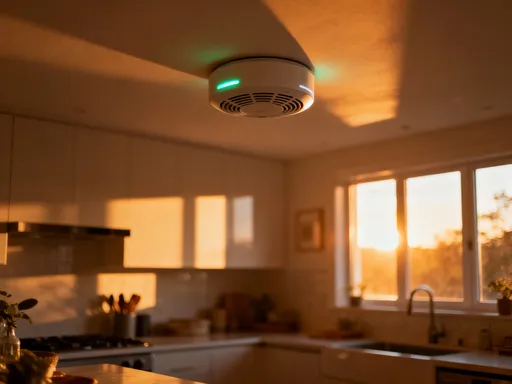
Here’s how they work, in plain terms: a sensor sits in a corner or on a wall and uses infrared technology to detect changes in heat. When something warm—like a person or a pet—moves through its field of view, it sends a signal. That signal can do different things depending on how you set it up. It might turn on a light, send a notification to your phone, or trigger another smart device in your home. That’s it. No magic, no mystery. Just a small device that notices when something’s happening and quietly lets you know.
The beauty is in what it helps you avoid. No more walking into a dark kitchen at night and stubbing your toe on the island. No more wondering if the kids made it home from school. No more driving back from the grocery store because you’re not sure if you locked the side door. The sensor doesn’t make decisions for you—it just gives you information. And sometimes, that’s exactly what you need to feel more in control, even when life feels chaotic.
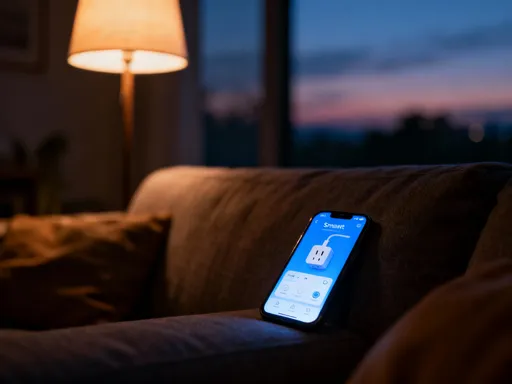
And let’s be honest—most of us don’t want to spend our evenings reading manuals or tweaking settings. That’s why modern motion sensors are designed to be simple. They connect to your home Wi-Fi and work with an app on your phone. You don’t need to be a tech expert. You just need to know what you want to feel safer, more organized, or just a little less stressed.
Choosing the Right One Without Losing Your Mind
I’ll admit, when I first looked into motion sensors, I got overwhelmed fast. There were so many brands, prices, and features. Some promised to track pet movements, others claimed to distinguish between people and animals, and a few even offered voice control. I stood in the electronics aisle, staring at boxes, feeling like I needed a degree just to pick one.
But here’s what I learned: you don’t need the fanciest model to get real benefits. Start by asking yourself a few simple questions. Where do you want the sensor? Is it for indoors—like the hallway or living room—or outside, near a back door or garage? Do you want it to turn on lights automatically, or just send you a notification? And how important is it that pets don’t set it off? Answering these helps narrow things down fast.
For indoor use, a basic motion-activated light sensor works wonders. I put one in the upstairs hallway, and now it gently turns on when someone walks by at night. No more fumbling for switches. For outdoor spaces, look for weather-resistant models. These can alert you if someone approaches a door or if your dog sneaks out—super helpful if your backyard isn’t fully fenced.
Another thing to consider is how you want to be notified. Some sensors make a soft chime. Others send a message to your phone. I prefer the phone alerts because I can check them from anywhere. My sister, though, likes a small light that blinks—less distracting, she says. There’s no right or wrong. It’s about what fits your life.
And don’t stress about installation. Most sensors are battery-powered and stick to the wall with adhesive strips. No drilling, no wiring. If you can hang a picture, you can set one up. Some connect to smart hubs, but many work directly with apps like Google Home or Apple Home, so you don’t need extra equipment. The key is to start small. Pick one spot where a little automation would make a difference, try it out, and go from there.
How We Use Them in Real Life—No Perfection Required
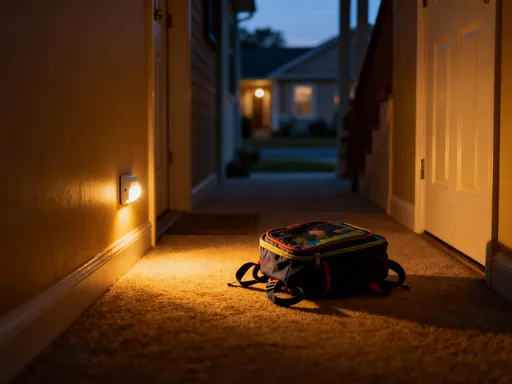
Let me tell you how these little devices actually work in my home—because it’s not perfect, and that’s okay. My son’s school ends at 3:15. I used to text him every day: “Did you get home?” “Are you inside?” “Did you lock the door?” Annoying, I know. Now, I have a motion sensor by the front door. When he walks in, my phone buzzes with a simple alert: “Motion detected at front entry.” That’s it. No text. No worry. Just a quiet “he’s safe” in my pocket.
Then there’s the hallway light. My daughter used to wake up at night, walk to the bathroom, and sometimes trip over the rug. Not badly, but enough to make us both anxious. Now, a motion sensor turns on a soft light as soon as she steps out of her room. It’s not bright—just enough to see the path. She says it feels like the house is looking out for her. Honestly, it kind of does.
We also have one in the backyard. Our dog loves to chase squirrels, and if the gate’s not fully latched, he’ll dart out. Before, I’d hear a neighbor yelling or get a call from someone saying, “Your dog’s on Elm Street!” Now, the sensor sends an alert the moment the gate moves. I can grab his leash and head out before he gets far. It’s saved us more than one frantic search.
And yes, it’s not flawless. Sometimes the sensor goes off when a big shadow moves across the wall. Once, a delivery person triggered it, and I nearly ran outside in my pajamas. But that’s the thing—these hiccups don’t ruin the value. They remind me that this isn’t about perfect control. It’s about support. It’s about having a little help so I can focus on what really matters: being present with my family, not just managing the house.
Setting It Up in Under 10 Minutes (Yes, Really)
I know what you’re thinking: “Ten minutes? I can barely fold laundry in ten minutes.” But I promise, setting up a basic motion sensor is faster than making a cup of tea. Let me walk you through it, step by step, like I’m right there with you.
First, pick your spot. For a hallway or bedroom, aim for a corner near the ceiling—about six to eight feet high. That gives the sensor a good view without being in the way. Avoid pointing it directly at a window or heater, since sunlight and warm air can sometimes trigger false alerts.
Next, mount it. Most come with a sticky pad or a small bracket. Peel and stick, or use the screws if you want it more secure. No tools? No problem. The adhesive works just fine.
Then, download the app. Most brands have a simple app—just search the name in your phone’s store. Open it, create an account (usually just your email), and follow the setup steps. It’ll ask you to connect the sensor to your Wi-Fi. Make sure you’re near your router during setup, so the signal is strong.
Once it’s connected, test it. Walk in front of it. You should see a light blink or get a notification. If it doesn’t work, check your Wi-Fi or restart the app. Sometimes, it takes a second try. And if your pets keep setting it off, most apps let you adjust the sensitivity. You can even set “pet immunity” mode if your dog or cat is under a certain weight.
That’s it. Done. You’ve just added a little peace to your home. No tech degree. No stress. And if it doesn’t work perfectly the first time? That’s normal. Try moving it a few inches. Change the angle. Most of us tweak things as we go. The point is to start, not to be perfect.
Small Changes, Big Calm
After a few weeks of using motion sensors, I noticed something unexpected: I was calmer. Not because my life was less busy—my calendar is still packed—but because my mind felt quieter. I wasn’t constantly double-checking locks or wondering where everyone was. I wasn’t sending five “Are you home yet?” texts to my teenager. I wasn’t lying awake, thinking, “Did I shut the garage?”
That mental space? It’s priceless. It means I can focus on cooking dinner instead of worrying about the back door. It means I can laugh with my daughter during homework instead of being distracted by small anxieties. It means I can actually enjoy the quiet moments, because I’m not mentally running a checklist in the background.
And it’s not just about convenience. It’s about trust. Trust that the house is working with me, not against me. Trust that my kids are safe when they come home. Trust that I don’t have to be the only one watching over everything. That shift—from constant vigilance to quiet confidence—has changed the tone of our home. It feels lighter. Kinder. More peaceful.
I remember one evening, my son walked in from practice, the hallway light came on automatically, and he said, “Nice, the house said hi.” I smiled. That’s exactly it. It’s not cold tech. It’s warmth. It’s care. It’s a home that feels alive, not automated.
Making It Work for Your Family, Not Against It
Every family is different. What works in my house might not fit yours—and that’s okay. The beauty of motion sensors is that they’re flexible. You can adjust them, move them, turn them off when you need to. This isn’t about creating a rigid, high-tech fortress. It’s about adding gentle support where you need it.
Think about your routine. Do you wake up early and hate bright lights? Set the sensor to a dim glow. Do you have guests often? Turn off notifications during certain hours. Do your kids come home at different times? Use scheduling features so alerts only come when it matters. Most apps let you customize everything—sensitivity, timing, actions—so you’re in control.
And don’t forget to talk to your family about it. I sat down with my kids and asked where they’d like a light to come on at night. My daughter picked the stairs. My son wanted one by the back door. When people feel involved, they’re more likely to appreciate the change. It stops being “Mom’s tech thing” and becomes “our home helping us.”
Also, remember—this isn’t about replacing human connection. It’s about making space for more of it. You’re not outsourcing care. You’re removing distractions so you can be more present. That text you don’t have to send? That’s a moment you can spend listening instead. That worry you don’t carry? That’s energy you can use to hug your child, call a friend, or just breathe.
At the end of the day, peace isn’t found in a perfectly locked house or a spotless schedule. It’s found in the little things—knowing your people are safe, feeling supported, moving through your day with a little more grace. Motion sensors don’t solve everything. But they help. They offer quiet reassurance, tiny acts of care built into the walls of your home. And sometimes, that’s exactly what we need to feel a little more grounded, a little more at ease, a little more like we’ve got this—because now, our home does too.